
How much does it cost to build a carport pergola?
Modern outdoor construction keeps evolving, and carports have become a common and important part of daily life. If you are sourcing for your outdoor projects, understanding pricing rules will help you maximize project value.
The cost of building a carport pergola varies greatly. In global outdoor construction markets, aluminum carport pergolas have become a mainstream solution due to their durability, modern appearance, and long service life.
What Is a Carport Pergola?
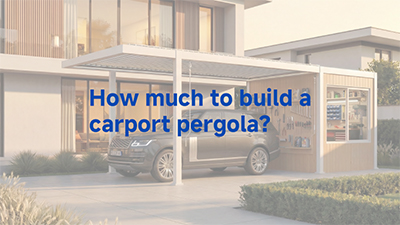
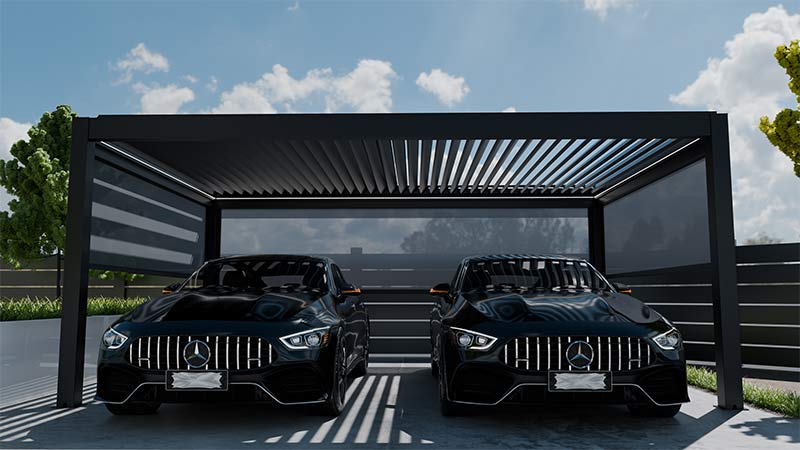
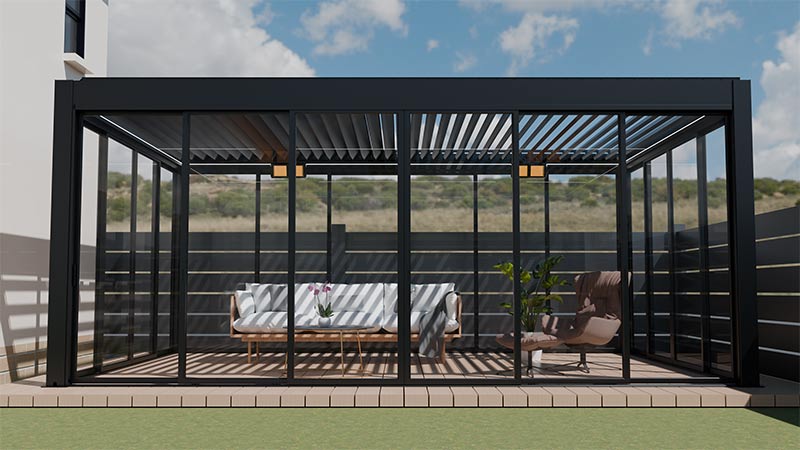
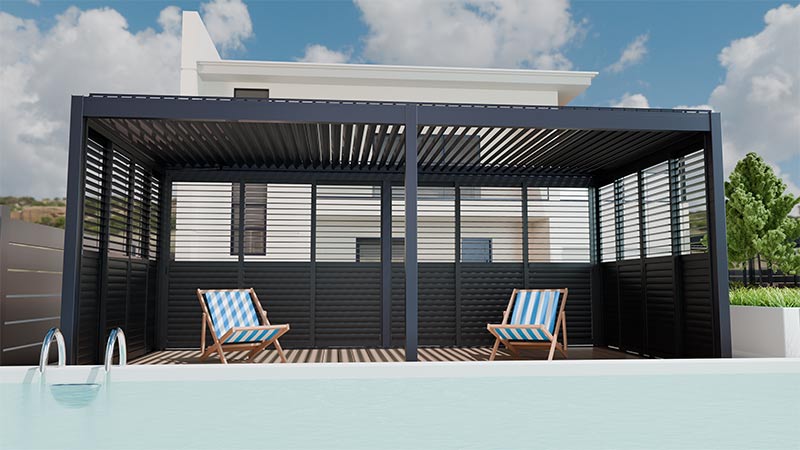
A carport pergola is a semi-open outdoor structure designed to protect vehicles. Compared with enclosed garages, pergola-style carports provide better ventilation, lighter visual design, and more flexible installation options.
Today, aluminum systems dominate the global market due to their superior performance. These systems are widely used in residential driveways, commercial parking areas, hotels, resorts, and EV charging stations.
- Carports are durable, permanent outdoor structures for vehicle protection. They are often mistaken for garages, but there are clear differences — especially our modular aluminum carports:
- Structure type: Available in freestanding or lean-to styles.
- Wall design: Features an open layout with one wall, two walls, or no walls, unlike fully enclosed four-wall garages.
- Ground adaptation: Normally installed on solid concrete bases, and also compatible with grassy ground.
- Drainage system: Equipped with a complete roof drainage system to efficiently remove rainwater.
- Roof options: Choose between a flat roof or a pitched roof design.
How Much Does A Carport Cost In 2026?
Carport pergola systems do not have a fixed universal price. Final costs are influenced by structural configuration, aluminum specifications, wind and snow load requirements, customization level, and overall project scale.
The following pricing is based on typical global factory export pricing (FOB reference, excluding local installation, taxes, and on-site construction costs) for aluminum carport pergola systems in 2026.
| Product Level | FOB Price Range (USD) | Typical Applications |
|---|---|---|
| Standard Aluminum Carport | $2,000 – $5,000 | Residential single-car parking with basic shading and weather protection |
| Mid-Range Custom System | $5,000 – $10,000 | Villas and small commercial projects with customized dimensions, reinforced beams, and upgraded surface finishes |
| Commercial Engineering System | $10,000+ | Hotels, resorts, shopping centers, and large-scale commercial projects requiring engineered structures, large spans, and smart automation systems |
Standard systems are mainly designed for functional shading and vehicle protection. Mid-range systems usually support structural upgrades and partial customization, while commercial-grade solutions often include motorized louver roofs, integrated drainage systems, and engineering compliance for wind and snow loads.
According to recent pergola market references in Europe and North America, aluminum pergola and carport systems in 2026 generally range from entry-level residential structures to high-end commercial engineering projects, depending on project complexity, automation level, and architectural requirements.
Note: The above pricing is calculated per individual carport pergola unit. Actual project costs may vary depending on local regulations, shipping conditions, installation requirements, and customization specifications.
Cost Breakdown of a Carport Pergola
In professional procurement, buyers do not evaluate only total price—they analyze cost structure. The following breakdown reflects typical international engineering projects.
From a manufacturing perspective, the aluminum structural system accounts for the largest share because it determines load-bearing capacity, durability, and overall safety performance.
Roof systems also play a key role in pricing, especially when upgrading from fixed roofing to motorized louver systems, which require mechanical components and precision engineering.
Additional Factors That Affect Carport Pergola Pricing
Beyond material and structural engineering, several project-specific factors can significantly influence the final cost of a carport pergola system. In commercial procurement and customized residential projects, these details often determine the difference between a standard structure and a fully engineered outdoor solution.
Overall Structure Size
The total size of the carport pergola is one of the most direct pricing factors. Larger structures require additional aluminum profiles, stronger beam systems, and more complex engineering calculations.
In most international projects, pricing increases proportionally with:
- Total covered area
- Span width
- Structure height
- Number of parking bays
Large-span commercial systems usually require reinforced internal structures to maintain wind and snow load performance.
Single Beam vs Multi-Beam Systems
Beam configuration also affects structural cost and manufacturing complexity.
Single-beam systems are commonly used in standard residential applications where spans are relatively small. Multi-beam systems are more suitable for large commercial projects because they provide stronger load distribution and better long-term structural stability.
Projects using oversized louver blades or wider spans often require additional reinforcement systems, which increase both material usage and fabrication cost.
Fixed Roof vs Motorized Louver Roof
Roof functionality is another major cost variable.
| Roof Type | Cost Level | Typical Features |
|---|---|---|
| Fixed Roof | Lower | Basic shading and rain protection |
| Manual Adjustable Roof | Medium | Limited sunlight adjustment |
| Motorized Louver Roof | Higher | Smart control, ventilation, rain sensing |
Motorized louver pergola systems require integrated motors, drainage channels, and electrical components, making them significantly more expensive than fixed roof structures.
Wall-Mounted vs Freestanding Design
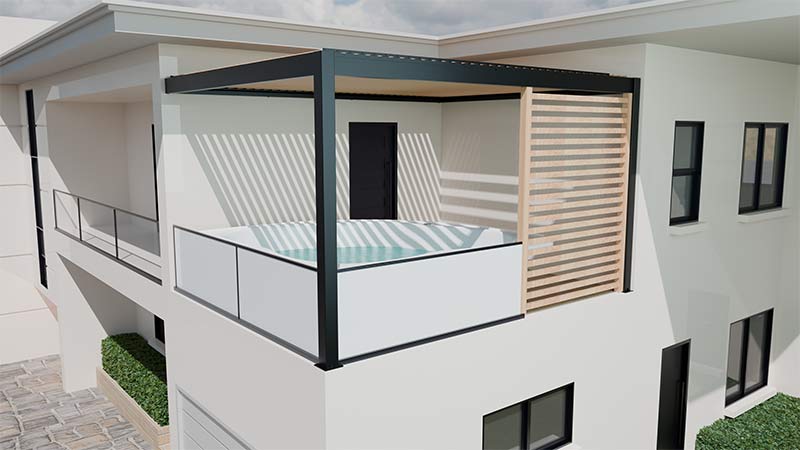
Wall-mounted pergolas are generally more cost-efficient because part of the structural load is supported by the existing building.
Freestanding systems require additional columns and reinforced foundations, especially in regions with strict wind resistance standards. For large outdoor parking projects, freestanding structures are typically preferred due to their flexibility and independent load-bearing capability.
Electrical Systems and Lighting Installation
Electrical integration can substantially increase total project cost.
Modern carport pergola systems may include:
- LED strip lighting
- Ceiling fans
- Smart control systems
- Motorized roof operation
- Outdoor power outlets
- Solar charging systems
Projects involving electrical installation often require additional wiring channels, waterproof electrical protection, and local compliance inspections.
In some countries, integrating electrical systems may also require building permits or licensed electrical contractors.
Solar Panel Integration
Solar-powered carport pergolas are becoming increasingly popular in commercial and hospitality projects.
Although solar systems increase initial investment, they can improve long-term energy efficiency and create additional commercial value, especially for EV charging stations and sustainable building projects.
The total cost depends on panel capacity, inverter systems, wiring complexity, and local energy regulations.
Installation Labor and Building Permits
Installation costs vary significantly across regions.
Labor-intensive markets such as North America and parts of Europe often have higher installation expenses compared with factory-direct modular assembly projects.
In addition, local governments may require:
- Building permits
- Structural engineering approval
- Wind load certification
- Electrical inspection
Permit costs and approval timelines should be considered during early-stage project budgeting, especially for commercial outdoor structures.
Key Factors That Influence Carport Pergola Cost
Material Selection (Aluminum as Industry Standard)
Material choice is one of the most important cost elements in carport pergola systems. Aluminum has become the dominant material in global markets due to its corrosion resistance, lightweight structure, and long service life.
Most professional carport pergola manufacturers use 6063-T5 aluminum profiles to ensure structural stability and outdoor durability. Compared with steel systems, aluminum requires less maintenance and performs better in coastal or high-humidity environments.
Steel systems still exist in heavy-duty industrial applications but require additional anti-corrosion treatment. Wood systems are mainly used in decorative applications and are less common in commercial projects due to maintenance costs.
Structural Size and Engineering Complexity
Structure size directly affects material consumption and engineering requirements. A single-car carport is relatively standardized, while multi-bay commercial systems require customized structural calculations.
Key engineering factors include span width, beam reinforcement, wind load resistance, snow load requirements, and drainage design. These elements significantly influence production cost and fabrication complexity.
In export projects, compliance with local engineering standards is also a major factor affecting final pricing.
Roof System Options
Roof configuration is another major cost determinant.
Fixed roof systems are the most economical option and are widely used in residential applications. Polycarbonate systems provide natural light transmission while maintaining UV protection.
Motorized louver roof systems represent the premium segment of the market. These systems allow adjustable sunlight, ventilation, and rain protection, making them ideal for luxury residential and hospitality projects.
Installation and Logistics Considerations
Installation cost varies depending on site conditions, labor rates, and project complexity. Modular aluminum systems are widely adopted because they significantly reduce installation time and labor requirements.
A professional carport pergola factory typically provides pre-engineered systems and detailed installation drawings to support international contractors.
Logistics also plays an important role in total cost. Packaging efficiency, container utilization, and shipping distance all influence final project pricing.
Why Aluminum Carport Solutions Are Becoming the Global Standard
Aluminum carport pergolas are increasingly replacing traditional steel and wood structures due to their long-term cost efficiency and modern design compatibility.
Their advantages include corrosion resistance, low maintenance requirements, and modular installation systems. These features make them suitable for large-scale commercial deployment and international distribution.
In addition, aluminum systems align with modern architectural trends that emphasize clean lines, minimal structure visibility, and multifunctional outdoor spaces.
Choosing the Right Carport Pergola Manufacturer
Selecting a reliable supplier is essential for project success. A professional manufacturer should provide engineering support, production stability, and customization capability.
Key evaluation factors include factory scale, OEM/ODM capability, structural testing standards, export experience, and quality control systems.
For large-scale engineering projects, technical support and pre-sales consultation are equally important as product quality.
Conclusion
The cost of building a carport pergola depends on multiple factors, including material selection, structural design, roof system configuration, customization level, and installation conditions. Aluminum remains the most widely used solution due to its durability, efficiency, and architectural adaptability.
For global contractors, distributors, and project developers, partnering with an experienced carport pergola manufacturer ensures stable product quality, engineering support, and scalable project delivery.
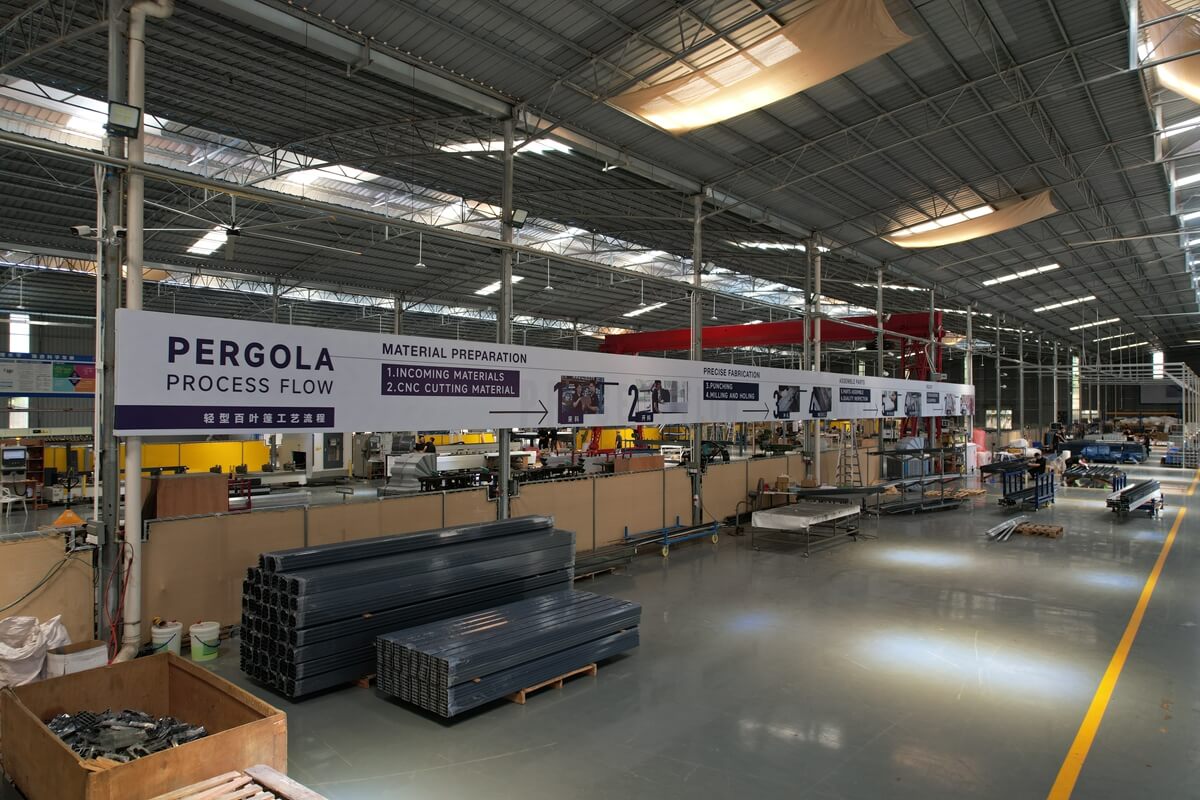
At Greenawn, we specialize in aluminum pergola and carport systems with OEM/ODM support. With nearly 30 years of manufacturing experience and a 30,000-square-meter factory, we provide reliable carport solutions for global B2B markets.

Leave a Reply
Want to join the discussion?Feel free to contribute!