
Aluminum pergolas for Commercial Projects: Cost, Value, and Engineering Insights in 2026
In today’s global outdoor construction market, Aluminum pergolas have become a core specification for commercial developers, hospitality brands, and large-scale architectural projects. From luxury resorts to retail terraces and high-end residential communities, demand is increasing for structures that combine durability, aesthetics, and long-term cost efficiency.
When evaluating outdoor shading systems, buyers often assume pricing differences are driven only by size or design. In reality, total cost is influenced by engineering quality, structural performance, automation features, and lifecycle maintenance requirements. This is especially critical for commercial projects where long-term ROI and operational stability matter more than initial procurement cost.
Greenawn, as a global manufacturer specializing in aluminum outdoor shading systems, focuses on delivering engineered solutions that balance performance, customization, and cost control for international B2B clients.
Why Aluminum pergolas Are Essential in Modern Commercial Developments
The adoption of Aluminum pergolas in commercial projects is accelerating due to rising expectations for functional outdoor environments. Modern customers expect hotels, restaurants, and residential developments to provide usable outdoor spaces that remain comfortable in changing weather conditions.
For developers and contractors, the main challenges include:
- High maintenance costs of traditional wood structures
- Corrosion issues in coastal or humid environments
- Inconsistent supplier quality in global sourcing
- Increasing demand for smart, automated outdoor systems
- Pressure to maximize usable commercial space revenue
Aluminum structures solve many of these issues due to their corrosion resistance, lightweight strength, and long service life. Compared to steel or timber, aluminum offers a better balance between structural integrity and lifecycle cost efficiency.
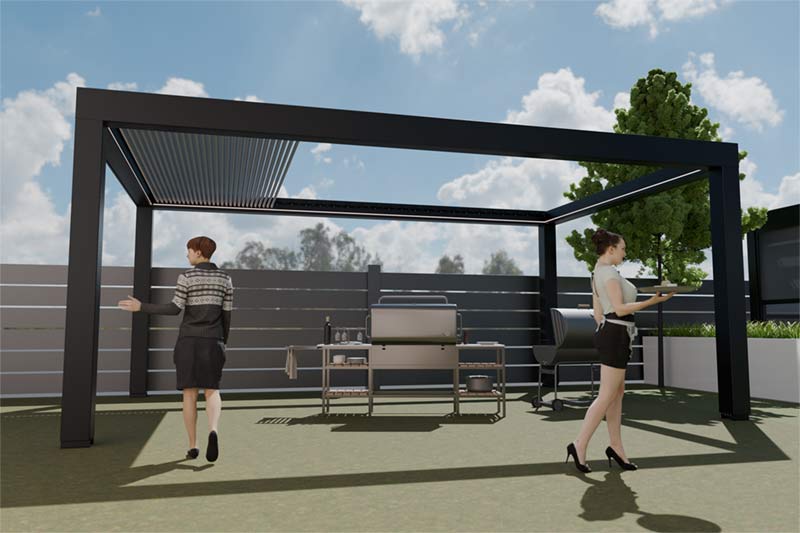
In commercial architecture, pergolas are no longer decorative elements—they are revenue-generating infrastructure. Restaurants use them to expand seating capacity, hotels use them to enhance guest experience, and developers use them to increase property value.
Greenawn supports these applications by providing engineered pergola systems designed specifically for high-frequency commercial usage.
Engineering Value Behind Greenawn TO-981 in Aluminum pergolas Systems
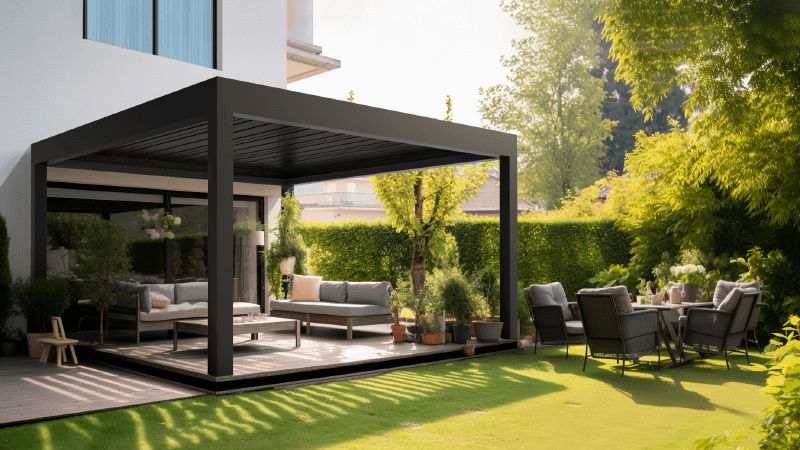
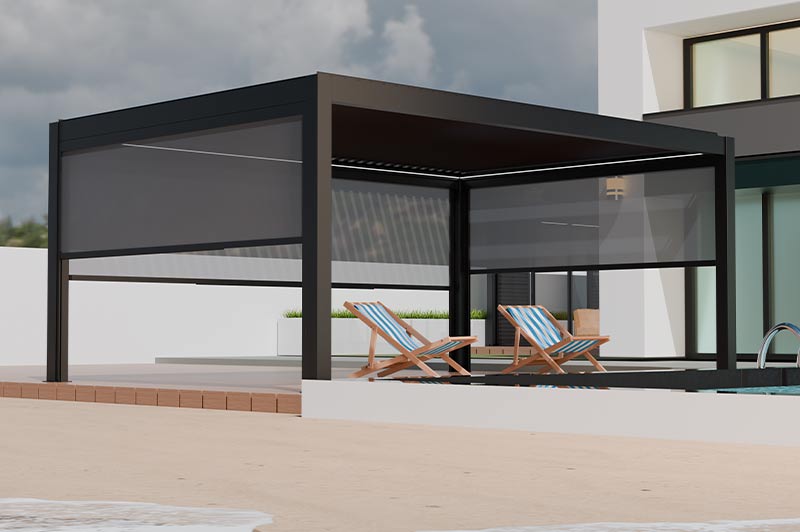
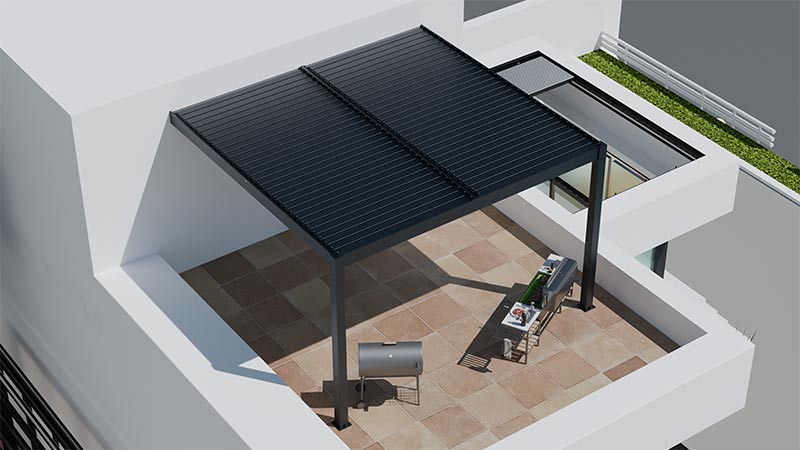
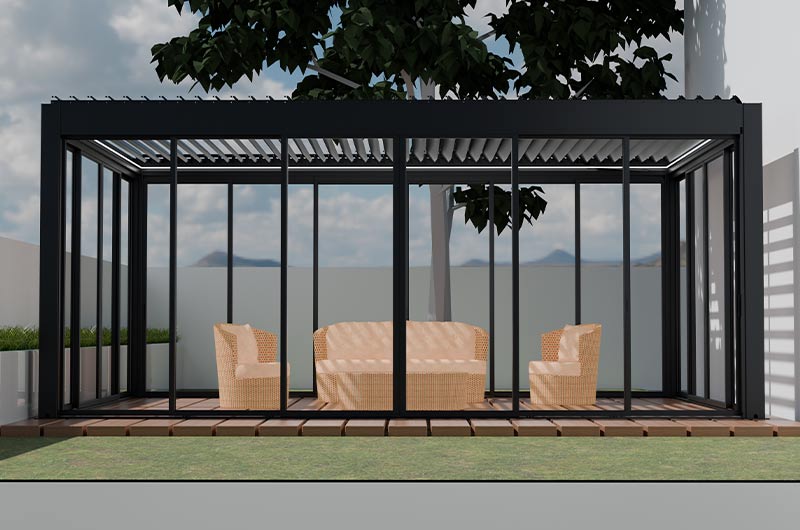
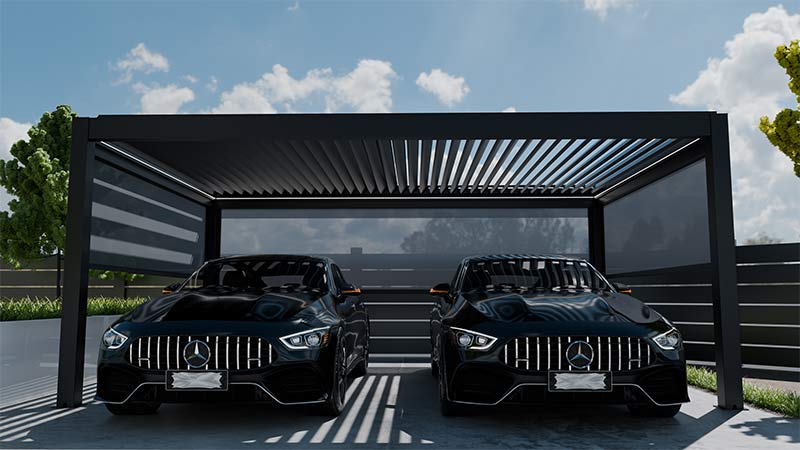
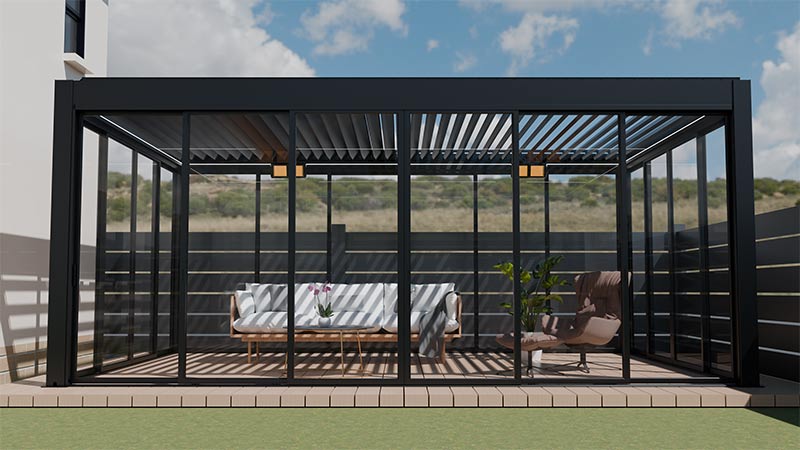
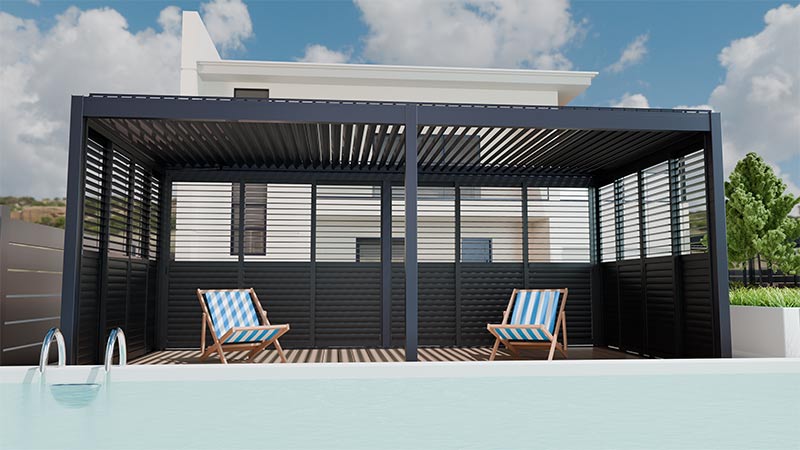
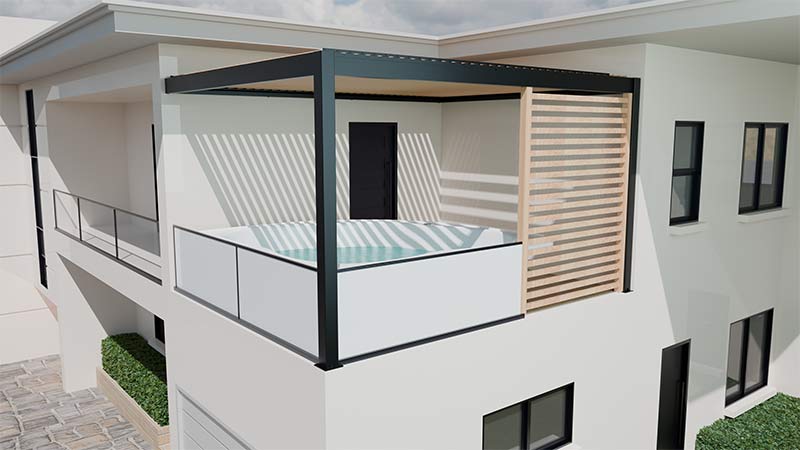
When analyzing Aluminum pergolas for commercial applications, product engineering is the most critical cost driver. One of Greenawn’s flagship commercial-grade solutions, the TO-981 motorized louvered pergola, is designed specifically for high-performance outdoor environments.
The TO-981 system integrates multiple engineering advantages that directly impact both pricing and long-term operational value.
Heavy-Duty Extruded Aluminum Frame
The TO-981 uses reinforced extruded aluminum profiles designed for structural stability in demanding environments. This allows the system to maintain performance under heavy wind loads while minimizing deformation over time. For commercial projects, this reduces repair frequency and long-term maintenance costs.
Motorized Louver Control System
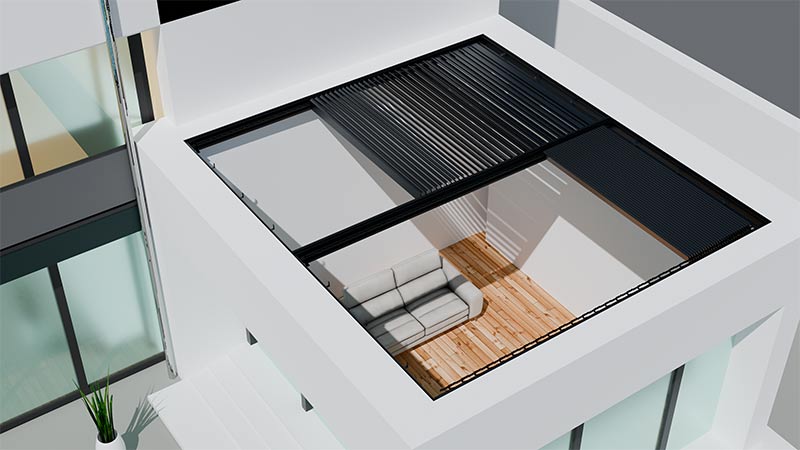
Unlike fixed roofing structures, the TO-981 features a fully motorized louver system that allows precise control of sunlight, ventilation, and rain protection. This flexibility is essential for restaurants, hotels, and public leisure spaces where user comfort must be optimized throughout the day.
Integrated Drainage Architecture
Water management is a key factor in commercial pergola pricing. The TO-981 incorporates a hidden internal drainage system that channels rainwater efficiently through the column structure. This prevents water accumulation and ensures continuous usability during rainfall conditions.
LED Lighting and Smart Integration
For commercial environments, nighttime usability is critical. The TO-981 supports integrated waterproof LED lighting systems that enhance ambience while reducing the need for additional electrical installations. Optional smart control upgrades also allow integration with building management systems.
Low-Maintenance Powder-Coated Surface
Greenawn applies high-durability powder coating technology to ensure long-term UV resistance and corrosion protection. This significantly reduces repainting and maintenance requirements over the product lifecycle.
These engineering features make the TO-981 a high-value solution in the Aluminum pergolas category, particularly for projects prioritizing long-term operational efficiency over initial cost savings.
Practical Design and Procurement Strategies for Aluminum pergolas in Commercial Projects
When specifying Aluminum pergolas for commercial developments, architects and procurement teams should focus on system scalability, environmental adaptation, and long-term maintenance planning.
1. Prioritize Functional Zoning in Outdoor Layouts
Commercial outdoor spaces should be divided based on usage patterns such as dining, lounge, and transit areas. Proper zoning ensures pergola systems are installed where they generate maximum operational value.
2. Match Structural Design with Local Climate Conditions
Wind load, rainfall intensity, and UV exposure vary significantly across regions. For coastal or high-wind environments, reinforced aluminum systems like Greenawn’s TO-981 are recommended to ensure long-term stability and safety compliance.
3. Optimize Modular Expansion Capability
Commercial projects often expand over time. Selecting modular pergola systems allows operators to scale coverage without redesigning the entire structure. This is particularly important for hospitality venues with seasonal demand fluctuations.
4. Evaluate Total Lifecycle Cost Instead of Initial Pricing
A lower upfront cost may lead to higher long-term expenses due to maintenance, repairs, or early replacement. High-quality aluminum systems typically offer superior ROI through extended service life and reduced operational overhead.
Greenawn works closely with global distributors, contractors, and developers to optimize procurement strategies and deliver customized engineering solutions aligned with project requirements.
Conclusion
In commercial architecture, Aluminum pergolas have evolved from simple shading structures into essential infrastructure that directly influences user experience, space utilization, and long-term profitability.
With engineered systems such as the Greenawn TO-981 motorized louvered pergola, developers and contractors can achieve a strong balance between structural durability, operational flexibility, and lifecycle cost efficiency.
For procurement teams, distributors, and project developers seeking reliable outdoor shading solutions, Greenawn offers full OEM/ODM support, technical consultation, and wholesale pricing tailored to commercial project requirements.
Leave a Reply
Want to join the discussion?Feel free to contribute!