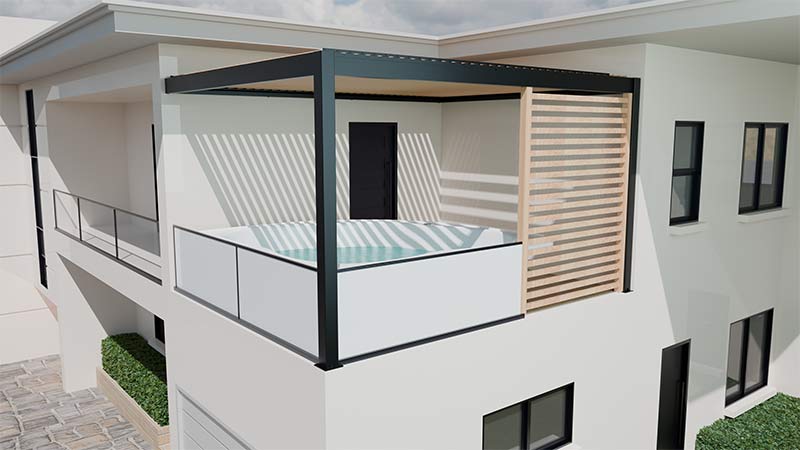
Understanding the Modern Aluminum Pergola: A Comprehensive Guide
In the world of architectural design and outdoor landscaping, the desire to merge indoor comfort with the natural environment has led to significant technological advancements. Property developers, architects, and homeowners are increasingly looking for solutions that provide not just shade, but total environmental control. Among the most popular innovations in this sector is the aluminum pergola. However, for many B2B buyers and commercial clients, the primary inquiry remains: what is a louvered pergola? This guide provides an educational deep dive into the definition, mechanics, and diverse applications of these structures, with a focus on the industry standards set by Greenawn.
Defining the Louvered System
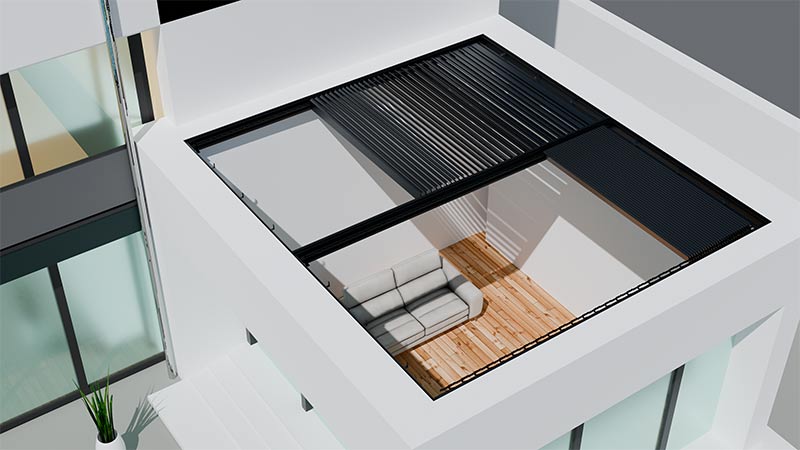
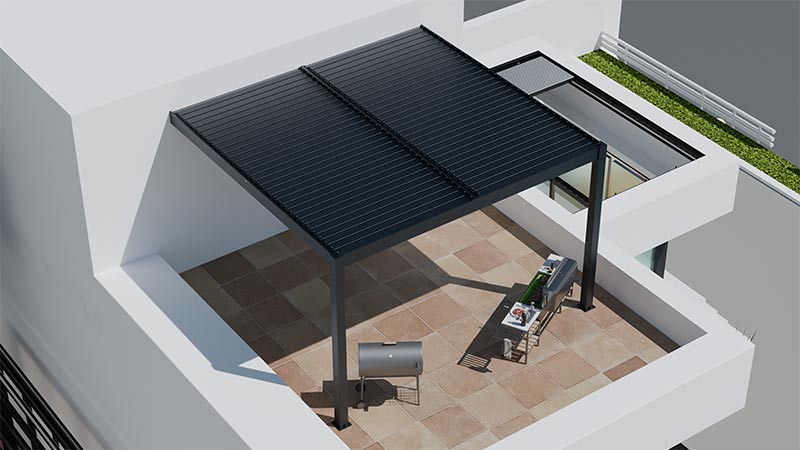
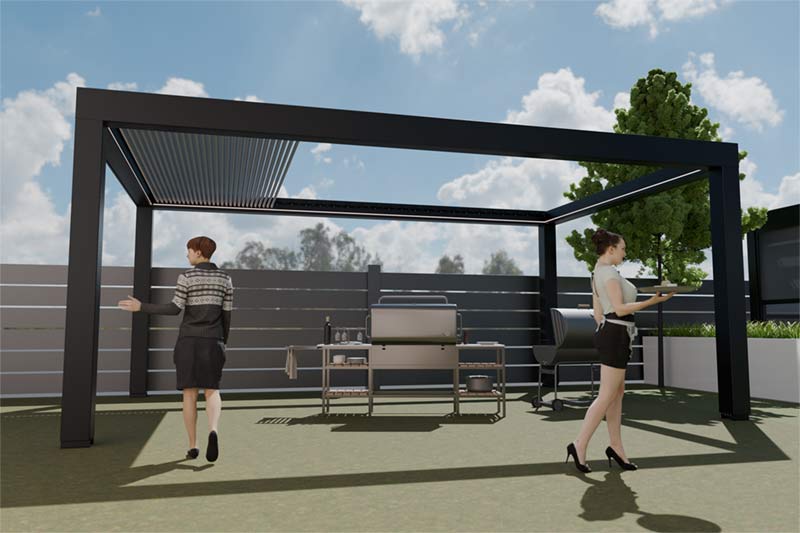
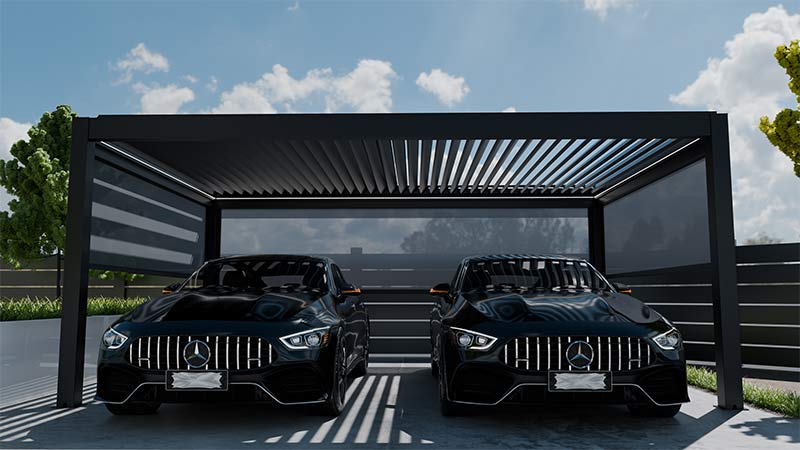
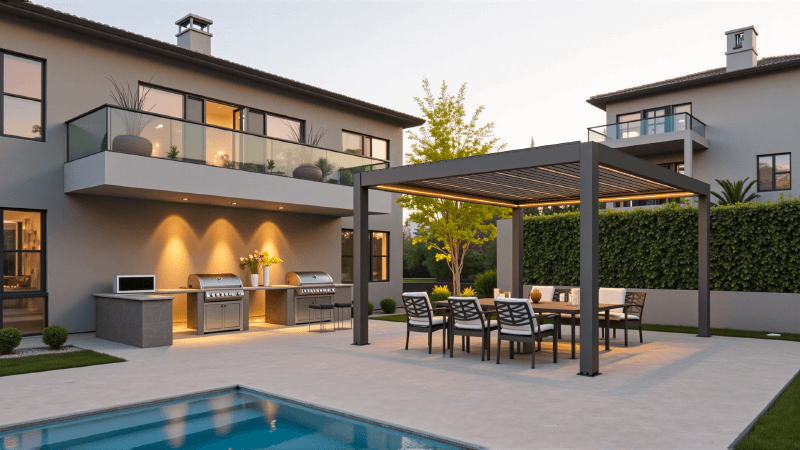
To address the fundamental question of what is a louvered pergola, one must look at its structural DNA. Unlike a traditional pergola, which typically features fixed overhead rafters that offer only partial shade, a louvered pergola is a dynamic roofing system. It is characterized by horizontal slats, or “louvers,” that are engineered to rotate. This movement allows the user to transition the roof from a fully open state to a completely closed, watertight surface.
At its core, what is a louvered pergola represents the peak of “bioclimatic” architecture. This means the structure is designed to work with the local climate rather than against it. Constructed primarily from high-grade aluminum alloys, these pergolas offer a sturdy frame that is far superior to wood or vinyl in terms of longevity. For a manufacturer like Greenawn, the focus is on creating a weather-resistant coating that protects the aluminum from oxidation and UV degradation, ensuring the structure remains a permanent fixture of the property for decades.
Functional Principles and Mechanics
The genius of the system lies in its adjustable roof system. The louvers are typically connected to a sophisticated internal tracking mechanism. When operated—either via a manual crank or a motorized remote control—the slats pivot in unison. This functionality serves three primary purposes:
Light Management: By angling the louvers, you can follow the sun’s path throughout the day, blocking harsh direct rays while still inviting natural light into the space.
Ventilation Control: In the summer, hot air naturally rises. By slightly opening the louvers, you create a “chimney effect” where heat escapes through the ceiling, while a cool breeze is drawn in from the sides.
Precipitation Shielding: When fully closed, the interlocking louvers create a gapless seal. Many high-end models, such as those found in the Greenawn pergola collections, feature an integrated gutter system. Rainwater is captured in the louver grooves and funneled through the internal beams down to the support posts, keeping the area underneath entirely dry.
Application Scenarios and Target Users
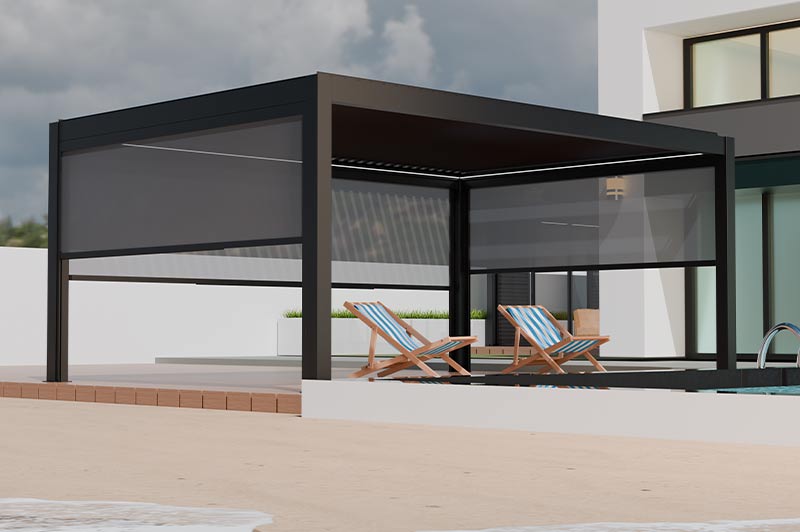
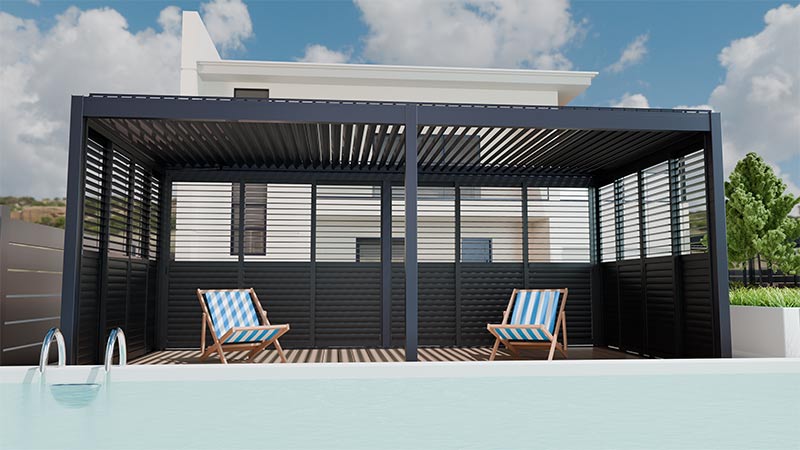
The versatility of the all-aluminum outdoor pergola makes it suitable for a wide array of environments. In residential settings, they are the crown jewel of luxury villas. They are frequently installed near swimming pools to create a shaded lounge area or in gardens to establish a protected outdoor dining room. Because these systems provide a comfortable outdoor experience throughout the year, they effectively increase the living square footage of a home.
In the commercial sector, the demand is even higher. Restaurants and hotels utilize these structures on terraces and rooftops to ensure that outdoor seating remains profitable even during rain or extreme heat. The durability of the aluminum alloy ensures these structures can withstand the high-traffic demands of the hospitality industry.
Furthermore, Greenawn specifically caters to the B2B market, seeking distributors and dealers for wholesale and OEM/ODM partnerships. The products are designed with many subdivisions and models to fit various architectural styles. A unique advantage of these systems is their support for DIY assembly. Many models are shipped as streamlined kits, allowing buyers to build them themselves with standard tools, which significantly reduces installation overhead for both dealers and end-users.
Key Considerations for Selection
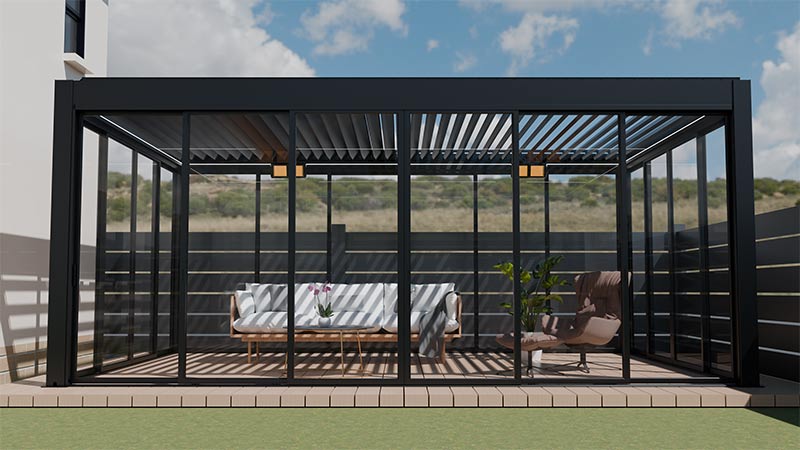
When investing in a louvered system, several technical details determine the final quality of the experience. It is important to look for models that include integrated features rather than bolt-on accessories. For example, some premium versions come equipped with built-in ceiling lights (LED strips or spotlights) that are recessed into the frame for a clean aesthetic.
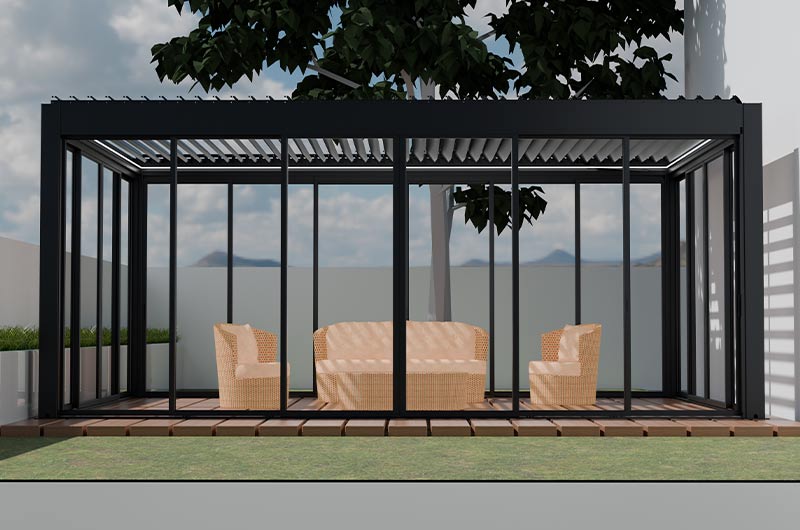
Additionally, for total climate and privacy control, look for models that support light-blocking curtains or motorized zip screens. These additions transform the pergola into a fully enclosed room when necessary. Beyond aesthetic features, professional buyers must prioritize the structural integrity of the aluminum alloy and the precision of the motorization system. High-quality powder coatings are essential for preventing chalking and fading in intense environments. Partnering with an established manufacturer like Greenawn ensures access to comprehensive technical support and reliable supply chains. This professional backing is crucial for dealers managing large-scale projects, ensuring that every installation delivers a consistent, high-end outdoor experience that aligns with international quality standards Finally, ensure that the manufacturer provides a variety of sizes; whether the project is a small garden nook or a large commercial terrace, the frame should be sturdy enough to span the required distance without compromising structural integrity.