Maximizing Outdoor Potential: An Educational Guide to Pergola Permits and Performance
As the boundary between indoor and outdoor living continues to blur, property owners are increasingly seeking sophisticated architectural solutions to enhance their gardens and terraces. For the modern homeowner or developer, the goal is clear: to create a resilient, year-round sanctuary that combines aesthetic elegance with industrial-grade durability. However, before the first post is anchored, a critical question often arises for both project managers and dealers: What size pergola can I build without a permit?
Understanding the nuances of local building codes is essential for a seamless installation. As a leading manufacturer that integrates industry and trade, Greenawn has dedicated nearly three decades to perfecting the all-aluminum outdoor pergola. By focusing on a modular design philosophy, our Pergola Collections are engineered to help professionals and DIY enthusiasts navigate the complexities of zoning laws while ensuring a sturdy frame and long-lasting performance.
The Anatomy of a High-Performance Outdoor Structure
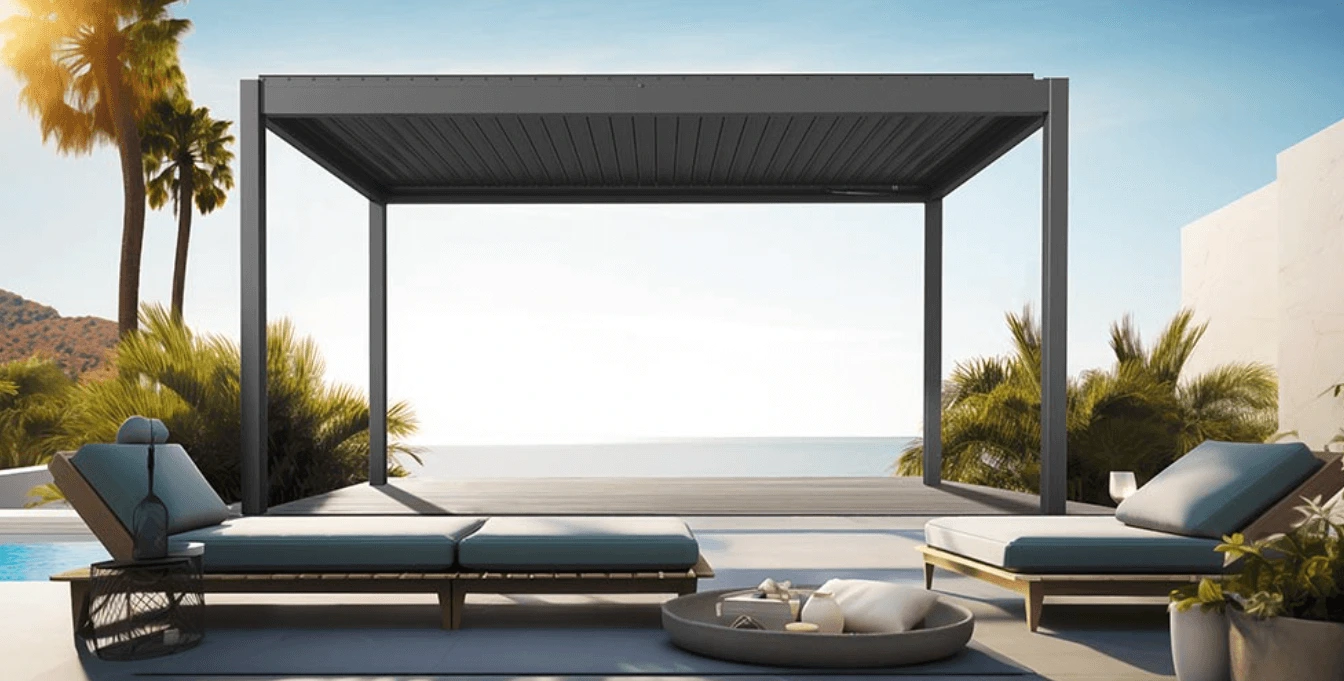
From an engineering perspective, a pergola is more than just a decorative grid of beams; it is a medium-to-heavy-duty structure designed to manage significant environmental loads. At Greenawn, we utilize high-purity aluminum alloy to ensure that every structure provides a comfortable outdoor experience throughout the year. This material is prized for its high strength-to-weight ratio and inherent resistance to corrosion, which is further bolstered by a professional weather-resistant coating.
Unlike traditional timber structures that may warp or rot over time, an all-aluminum alloy sunshade maintains its structural integrity without the need for intensive maintenance. This durability is a cornerstone of our Brand Solutions, allowing distributors to offer products that stand the test of time in diverse climates—from salt-heavy coastal villas to regions prone to heavy snowfall.
Footprint and Spatial Limits
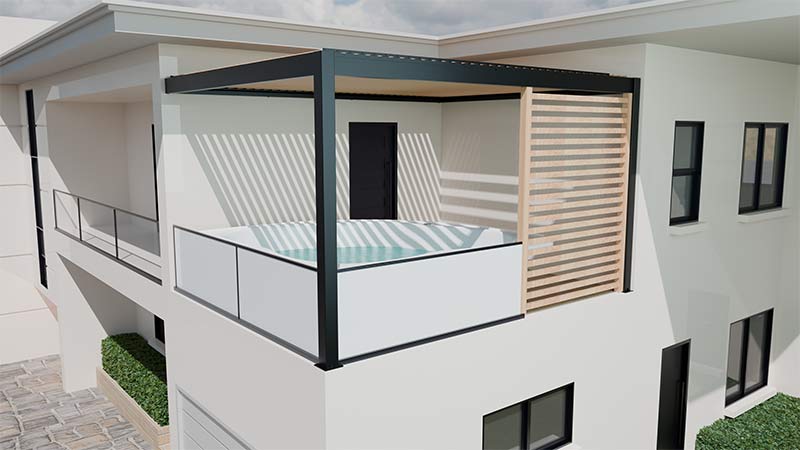
In many regions, structures that maintain a modest footprint are often classified as “exempt development” projects. These standards generally define a pergola as an ancillary structure that occupies only a proportionate fraction of the total garden space and is not intended for use as a habitable dwelling. By keeping the structure within common residential scales, installers can often bypass the lengthy and complex approval processes required for larger home extensions. When planning your layout, it is helpful to consult local guidelines to determine exactly what size pergola can I build without a permit in your specific area.
The versatility of the Greenawn range is a significant advantage here, as we offer a variety of sizes suitable for different outdoor spaces—from compact urban garden units to expansive terrace systems.
Height and Vertical Clearances
Verticality is often the most scrutinized metric in building codes. To prevent overshadowing neighboring properties or obstructing views, most jurisdictions enforce prescribed height caps for structures built near property boundaries. Generally, if a structure features a moderate vertical profile and stays within standard residential height limits, it is much more likely to fall under permit-free categories. Conversely, freestanding units placed in open, central garden spaces often enjoy more flexibility regarding height than those positioned in close proximity to property lines.
The Adjustable Roof System: Bioclimatic Innovation
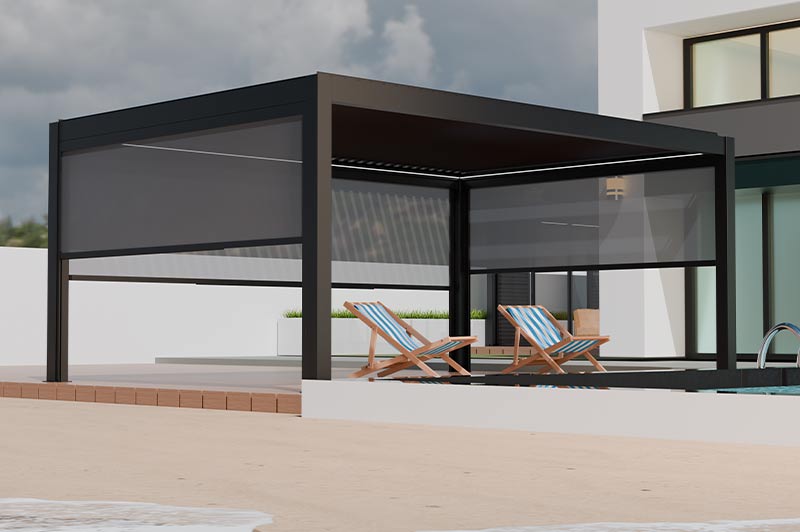
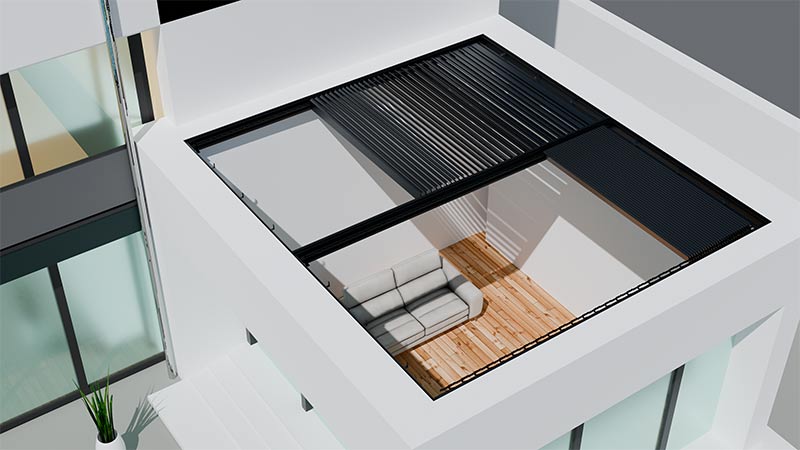
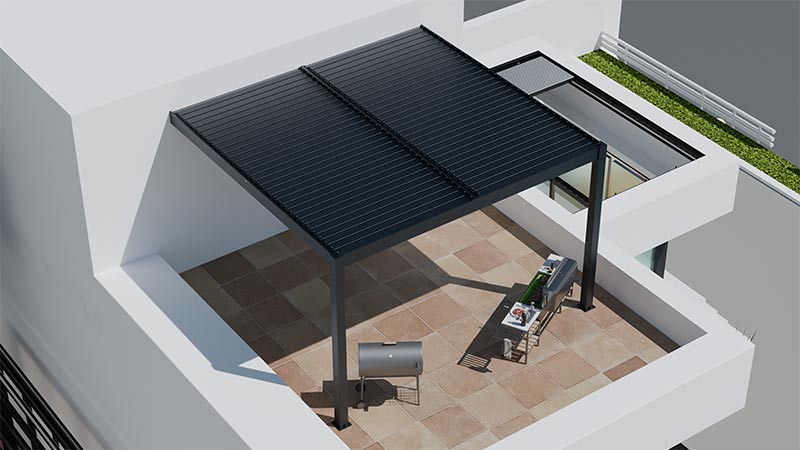
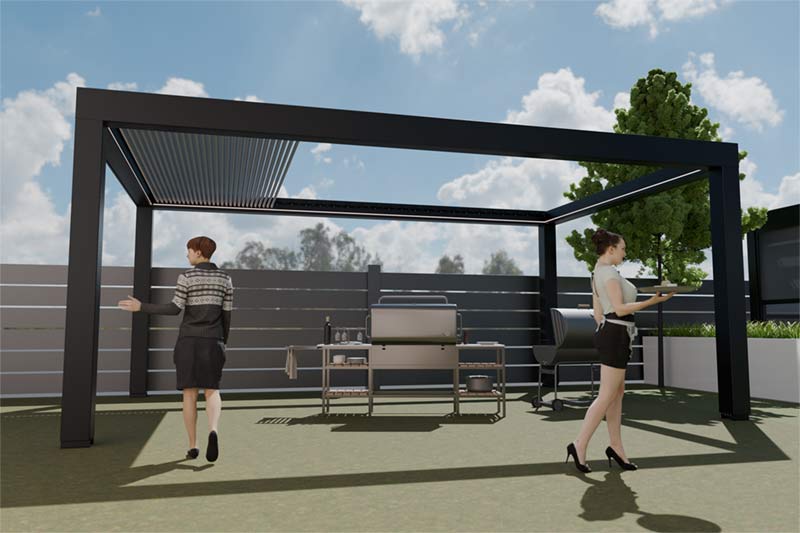
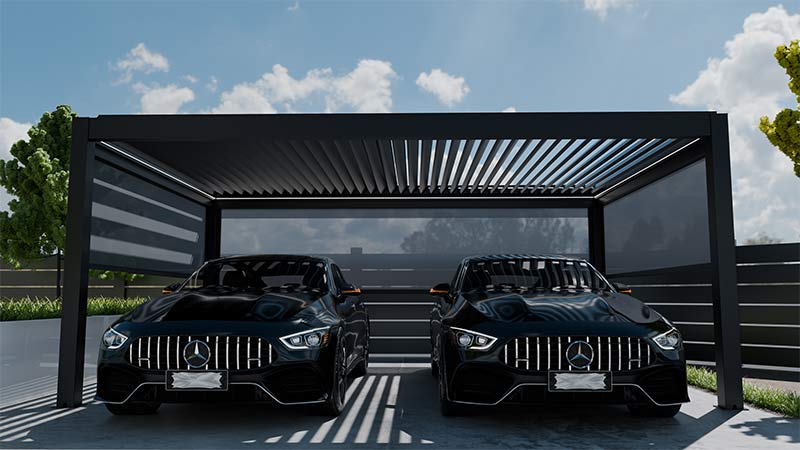
One of the defining features of the Greenawn Pergola Collections is the adjustable roof system. This is not merely a cover; it is a dynamic environmental regulator. The interlocking aluminum louvers can be rotated to various angles, providing maximum flexibility under different weather conditions.
Ventilation Mode: In the summer, louvers can be slightly tilted to encourage natural convection, allowing hot air to escape while providing shade.
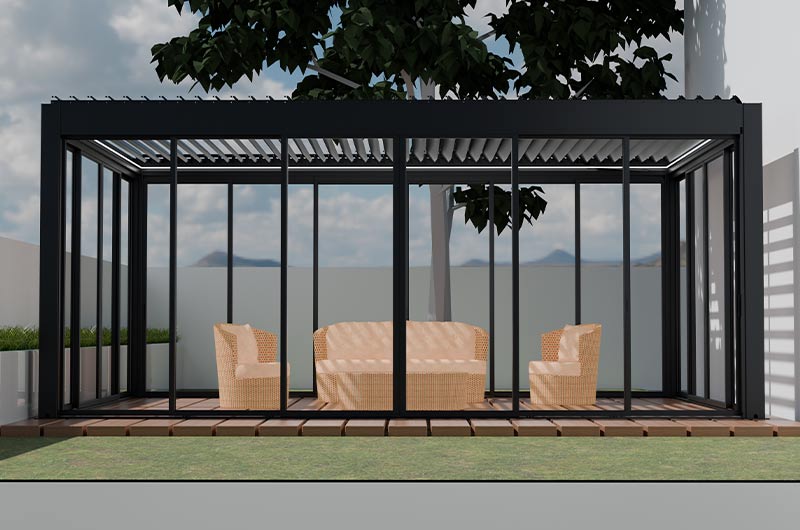
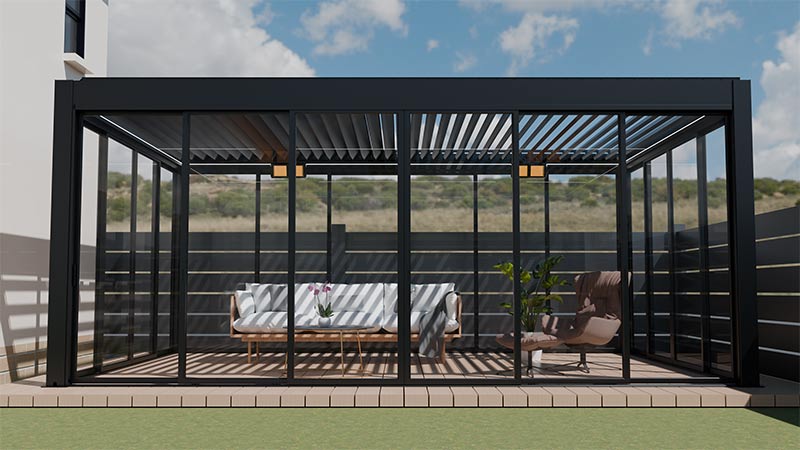
This level of functionality transforms a simple garden structure into a sophisticated bioclimatic sanctuary. Furthermore, to enhance the user experience after dark, specific models come equipped with integrated 24V low-voltage LED ceiling lights and light blocking curtains. These features are explained in detail on each product page, providing distributors with the technical clarity needed to close wholesale and OEM/ODM deals.
Supporting the DIY Movement and B2B Partnerships
As an enterprise that prioritizes innovation and efficiency, we recognize that the modern buyer values the ability to assemble and build their own structures. Greenawn supports DIY enthusiasts by providing precision-engineered kits that are intuitive to install. By simplifying the assembly process, we reduce the barrier to entry for homeowners while providing our B2B partners—distributors and dealers—with a product that is easy to stock and ship.
Our commitment to the OEM/ODM business model means we are constantly evolving our subdivisions and models to meet global demand. We mainly seek partners who are looking to provide high-end, maintenance-free outdoor solutions to their local clientele. By trusting in our 29 years of R&D and production experience, our partners can confidently answer their clients’ questions regarding what size pergola can I build without a permit, knowing they have the right modular solution ready for delivery.
Conclusion: Engineering Trust in Outdoor Living
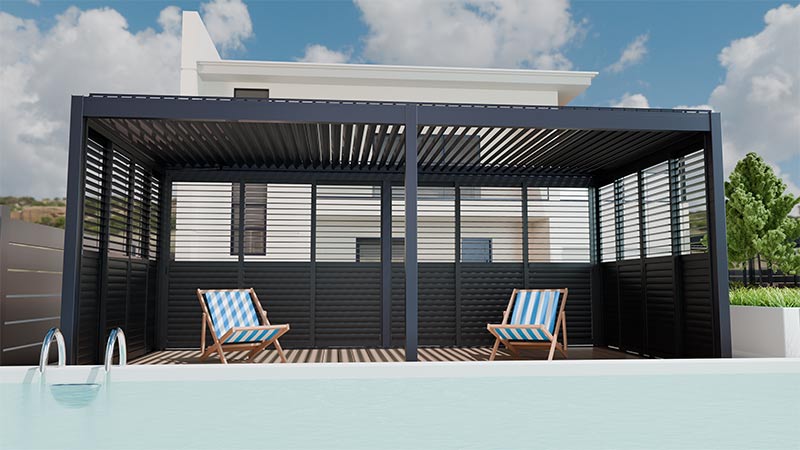
Whether it is for a luxury villa, a bustling hotel swimming pool, or a private backyard garden, the choice of an outdoor pergola is a significant investment. By choosing a manufacturer that understands the intersection of international building codes and structural engineering, you ensure that this investment is both safe and stylish. Greenawn continues to lead the way by providing versatile, high-quality aluminum structures that redefine the potential of outdoor spaces.