
How Long Do Pergolas Last? Material, Climate, and Maintenance Explained
January 30, 2026
1.How long will a pergola last ?
2.Different Materials, Different Lifespans
A pergola’s service life hinges largely on its construction materials. Each material boasts unique advantages in terms of durability, longevity, and maintenance requirements—all of which shape its average lifespan.
The market offers a rich selection of pergola materials, each with distinct properties—from the timeless, sturdy wood to sleek, modern aluminum.
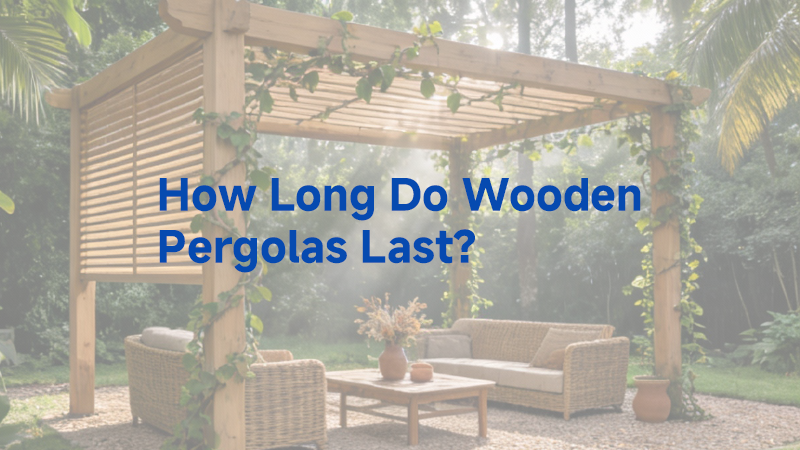
2.1 How Long Do Wooden Pergolas Last?
Wooden pergolas blend seamlessly with traditional garden landscapes, adding a warm touch to patios and all outdoor spaces, with a standard service life of 7–15 years. Yet wood is the most high-maintenance material for pergolas.
Poor maintenance will drastically shorten its lifespan to just 5 years and leave it highly prone to environmental damage.
Someone said this on Reddit:
“For example, Prolonged dampness causes wood decay, and extreme temperature-humidity fluctuations plus direct UV exposure in variable climates severely damage wooden structures. Combined with wind stress and insect infestation, wooden pavilions are highly prone to deformation and cracking; unprotected ornamental grille panels and thin slats are the first to fail. Buried wooden posts absorb moisture via capillary action, and repeated expansion and contraction from freeze-thaw cycles drastically raise their cracking risk.”
This highlights the critical importance of regular maintenance and protection for wooden pergolas. Even with proper routine care, most will develop structural loosening or cosmetic damage after 10–15 years, and their overall durability is far lower than that of aluminum or steel pergolas.
2.2 How Long Do Aluminum Pergolas Last?
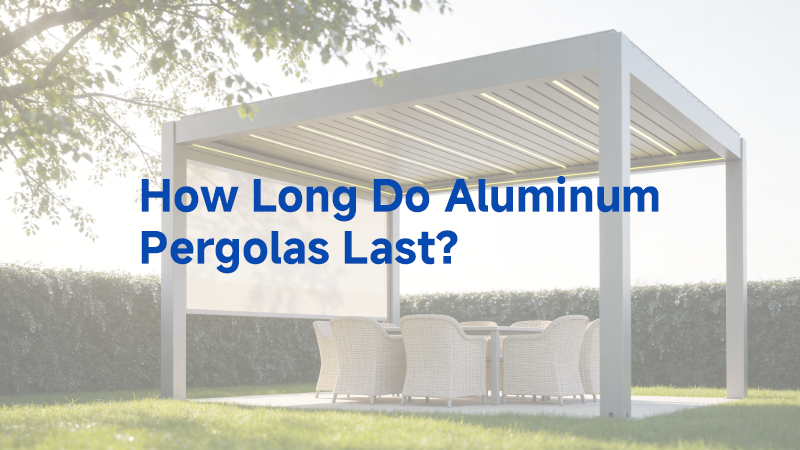
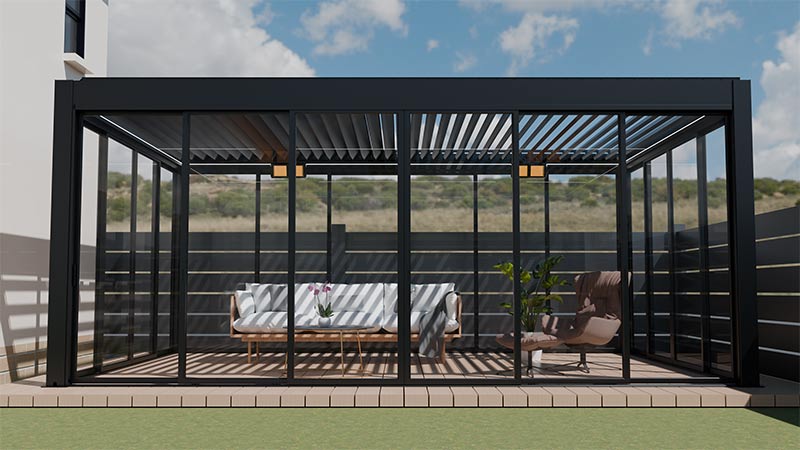
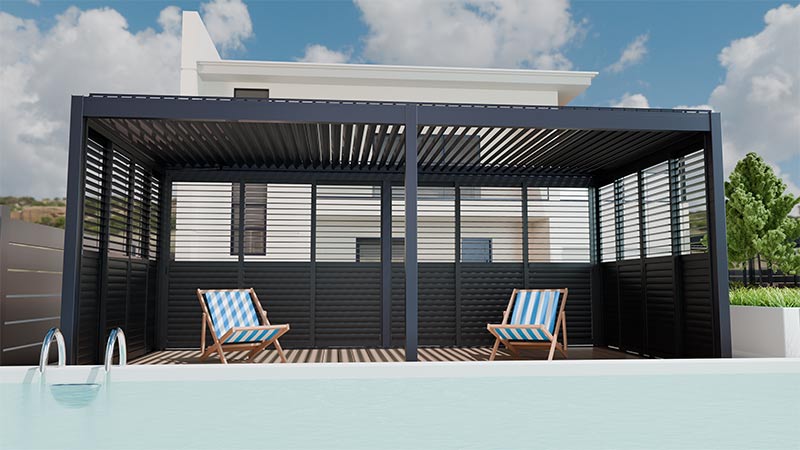
Aluminum pergolas are widely recognized as the longest-lasting option. A well-maintained aluminum pergola can have a service life of 20 to 30 years or even longer. Naturally rust-proof, corrosion-resistant, and easy to maintain, they are an ideal choice for long-term outdoor use.
It is crucial, however, to distinguish the quality of aluminum used in the pergola structure. Selecting high-quality aluminum with a protective coating is an effective strategy to extend its service life further and enhance its anti-aging performance.
Modern aluminum pergolas are widely used in residential, hotel, and commercial projects where durability and aesthetics take precedence over short-term costs. Boasting a sleek, contemporary look, they elegantly elevate the overall beauty of any backyard. Seamlessly blending functionality with style, they achieve the perfect harmony of form and function for enduring appeal.
2.3 How Long Do Steel Pergolas Last?
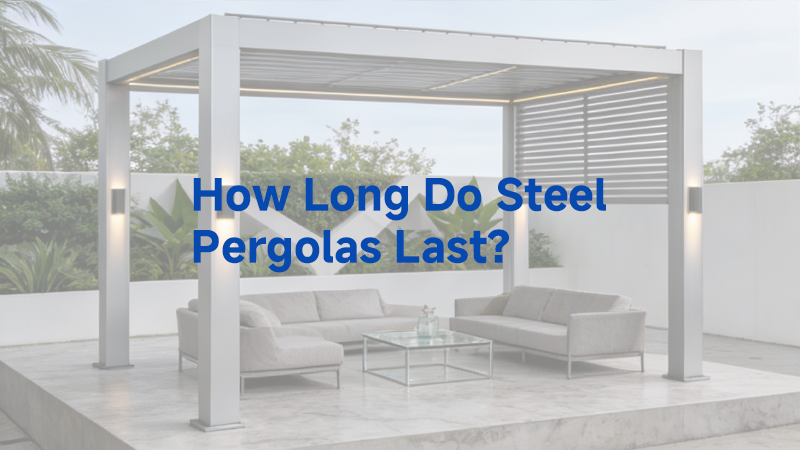
Steel pergolas are renowned for their strength and load-bearing capacity. They are ideal for large-span or heavy roof structures. Their service life is typically influenced by the quality of the steel used, the thickness of the protective coating, and regular maintenance practices.
2.4 How Long Do Vinyl / PVC Pergolas Last?
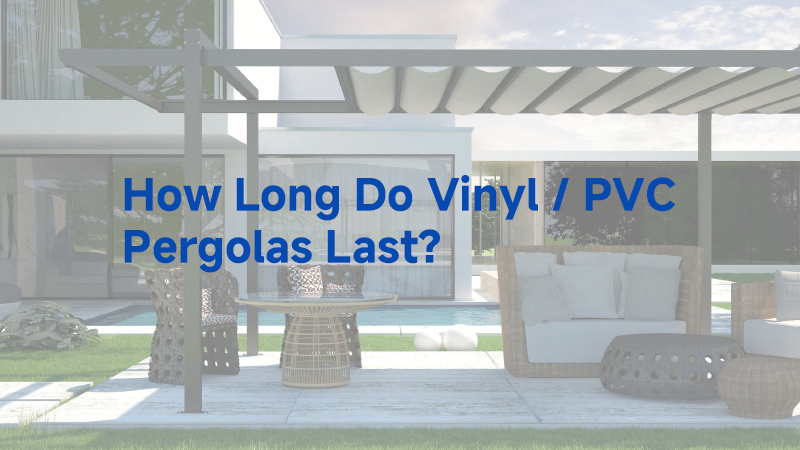
Pergola material vs. expected lifespan:
| Material | Expected Lifespan | Maintenance Level | Best For |
| Wood | 7–15 years | High | Traditional aesthetics |
| Aluminum | 20–30+ years | Low | Long-term,low maintenance |
| Steel/Iron | 10-15 years | Medium–High | Heavy-duty structures |
| Vinyl/PVC | 15-25 years | Low | Mild climates |
3. What factors affect how long a pergola lasts?
Climate and UV exposure
Climate plays a crucial role in the service life of a pergola. High humidity, frequent rainfall, salt spray and intense UV radiation can accelerate aging, especially for wood and metal materials with poor coating quality. Aluminum pergolas with high-quality surface treatment perform best in such environments.
Installation quality
The durability of a pergola depends on the stability of its foundation. Poor fixing methods, uneven ground or inappropriate fasteners may lead to long-term structural problems. Professional installation and the use of corrosion-resistant hardware can significantly extend its service life.
Maintenance level
Roofing and coverage design
4. Warning Signs Your Pergola Is Wearing Out
- Obvious cracking, rotting or wood-boring pest damage on wooden components
- Extensive rust or structural deformation on metal frames
- Loosening or damage to connection points and hardware
- Persistent roof leaks or failed drainage systems
5.Some Tips To Increase The Lifespan Of Your Pergola
Ensure Effective Waterproofing
If you are using a wooden pergola, even if it is pressure-treated or marine-grade, it is recommended to apply a high-quality waterproof sealant annually, along with an oil-based paint, to reduce structural erosion caused by moisture and UV radiation.
Reinforce Structural Stability
Opt for larger-sized posts (e.g., 6×6 instead of 4×4) and install concrete footings at the base of posts. This effectively boosts load-bearing capacity and reduces the risk of moisture damage. If necessary, upgrade wooden posts to brick or precast concrete posts.
Optimize Roof Design and Connection Methods
A gently sloped roof reduces wind resistance. Using bolted beam connections facilitates regular inspection and re-tightening, preventing structural loosening caused by wood shrinkage.
Select Materials Wisely to Minimize Maintenance Costs
Aluminum pergolas are recommended for humid or coastal areas due to their corrosion resistance and low maintenance needs. For budget-constrained projects, wood is an option, but regular upkeep must be undertaken.
Never Neglect Regular Inspections
Even for low-maintenance systems, regularly inspect fasteners, coatings and drainage systems, and address potential issues in a timely manner.
5. Conclusion
When choosing between pergolas, think long term. Beyond upfront costs, it’s essential to consider ownership duration, how frequently the space will be used, and long-term maintenance and repair expenses.
Greenawn specializes in high-quality aluminum louvered pergola solutions, helping homeowners and developers create outdoor spaces that truly stand the test of time.
If you are seeking a pergola with a 15–25 year lifespan or longer, while keeping ongoing maintenance to a minimum, Greenawn’s aluminum louvered pergolas are often the most cost-effective choice over the long term. Built with high-strength aluminum structures, precision-engineered louver systems, and backed by extensive outdoor project experience, our pergolas deliver stable, reliable performance even in harsh conditions such as extreme heat, strong winds, and humid environments.
From initial design planning to structural configuration, Greenawn pays close attention to every detail that impacts long-term ownership costs—ensuring that backyards, terraces, and commercial outdoor spaces not only look exceptional, but also maintain predictable maintenance costs and lasting value throughout their entire lifecycle.
Contact us today and let Greenawn help you build an outdoor space that’s truly worth investing in for the long term.
How Long Do Aluminum Louvred Pergolas Last?
blogHow to Maintain a Pergola for Longevity?
blogHow Long Do Aluminum Pergolas Last? A Practical Lifespan Guide for You
blog