
Are Pergolas Worth It for Dealers?
March 6, 2026
When homeowners ask whether pergolas are worth it, they are usually thinking about something different from what dealers or brand owners care about.
For homeowners, a pergola is about comfort and lifestyle.
For dealers, distributors, and outdoor product brands, the question is much simpler: will it make money?
Across North America and Europe, pergolas have quietly become one of the fastest-growing categories in the outdoor living market. Restaurants are expanding outdoor seating. Homeowners are investing more in backyard upgrades. Architects are designing larger terraces and rooftop spaces.
For many distributors and outdoor product companies, this raises a practical question. Are pergolas worth it for dealers? Is there enough demand to support a new product category? What kind of pergola dealer profit margin can you expect? And does it make sense to add pergolas to your product line?
This article looks at pergolas from the dealer and brand perspective, including profit margins, operational impact, and long-term value. If you are evaluating whether pergolas are a smart category for your business, this article will help you understand the opportunity.

From a Dealer Perspective: What Does “Worth It” Mean?
For a dealer, a product category is considered worth it when it creates stable revenue with manageable effort and risk. Most companies evaluate new products by asking three basic questions: Is there enough market demand? Are the profit margins attractive? Does the product fit into the current business model?
Pergolas are not just simple outdoor products. They sit somewhere between outdoor furniture and light construction. Because of this, the sales process, installation work, and customer expectations are usually higher than with smaller outdoor products. At the same time, this creates opportunities for larger project values and stronger margins.

How Dealers Actually Make Money from Pergolas?
Pergola projects usually generate revenue from several sources, and the product itself is only one part of the business.
Product margin is the first and most obvious income stream. Dealers typically purchase pergolas from manufacturers and resell them with a markup. In many markets, gross margins range between 25% and 40%. Premium aluminum pergolas often allow higher margins because customers see them as architectural structures rather than simple shade products.
Installation services represent another reliable revenue stream. Many dealers charge separately for site preparation, structural assembly, electrical connections, and final adjustments. Installation services can add 15% to 30% to the overall project value.
Accessories and upgrades also help increase project value. Many pergola buyers add integrated lighting, motorized screens, heaters, glass panels, or drainage systems. These upgrades increase the total order value and usually come with healthy profit margins.
Over time, maintenance services and replacement parts can provide steady, long-term income. Even though aluminum pergolas require little maintenance, some dealers offer seasonal inspections, accessory upgrades, or replacement components to support ongoing revenue.
Where Pergolas Fit in Your Current Business Model?
Pergolas usually work best for companies that already operate in outdoor construction or building-related industries. Typical pergola dealers include window and door companies, awning specialists, landscaping contractors, patio installers, and outdoor furniture retailers.
For these businesses, pergolas often function as a premium extension of existing products. For example, a homeowner installing new patio doors may also want to upgrade the surrounding outdoor area. Offering pergolas allows the dealer to capture more of that project value.
For landscaping companies, pergolas often become a focal point in garden design, which naturally increases the overall project budget. Instead of replacing existing products, pergolas help expand business opportunities.
Is There Enough Business for Pergolas?
Even if a product has strong margins, it still needs consistent demand to be worthwhile. People are paying more and more attention to the quality of outdoor life,Outdoor living has become one of the fastest-growing segments in residential design during the past decade. Homeowners increasingly treat outdoor spaces as extensions of the home rather than simply a backyard.
Several long-term trends are driving pergola demand. More homeowners are investing in outdoor environments that support family gatherings, outdoor dining, relaxation, and even remote work. Pergolas provide shade and structure while keeping the space open and comfortable.
Commercial demand is also growing. Restaurants, hotels, resorts, and rooftop venues often install pergolas to create comfortable outdoor seating areas. These installations allow businesses to expand usable space without building permanent structures.
Modern architecture also favors clean outdoor layouts and integrated terraces. Aluminum pergolas fit well with these designs, making them attractive for both residential and commercial projects.
Understanding the typical customer profile also helps evaluate the market. Residential buyers are often high-end homeowners who value comfort, style, and durability, or design-oriented clients working with architects or landscape designers. Typical residential pergola projects often range between $6,000 and $20,000, depending on size, materials, and features.
Commercial customers include restaurants, hotels, resorts, rooftop bars, and residential developments. Commercial installations can reach $30,000 to $100,000 or more, depending on scale. While commercial projects may have longer sales cycles, they can significantly increase total annual revenue.
Margins, Pricing and ROI for Dealers
Financial performance is one of the most important considerations when adding a new product category, and pergolas often provide stronger margins than many other outdoor building products.
While exact numbers vary across markets, a typical pergola project follows a fairly consistent structure. Manufacturing cost usually represents around 30% to 35% of the final price. Dealer markup often ranges between 25% and 35%. Installation services may account for 15% to 25% of the project value. Marketing, logistics, and after-sales service typically represent smaller portions of the total cost. Many dealers aim for overall project margins between 20% and 40%.
Premium aluminum pergolas usually achieve higher margins because they offer durability, customization, and modern design value.
Dealers typically need only a small initial investment before launching pergola sales. A showroom sample is often the first step, allowing customers to see and understand the product. This investment usually ranges between $3,000 and $10,000, depending on the model. Sales training and marketing materials such as project photos, brochures, and design tools also support the launch.
In many cases, dealers recover these initial costs after only a few installations. If each project generates several thousand dollars in profit, the upfront investment can be recovered quickly.
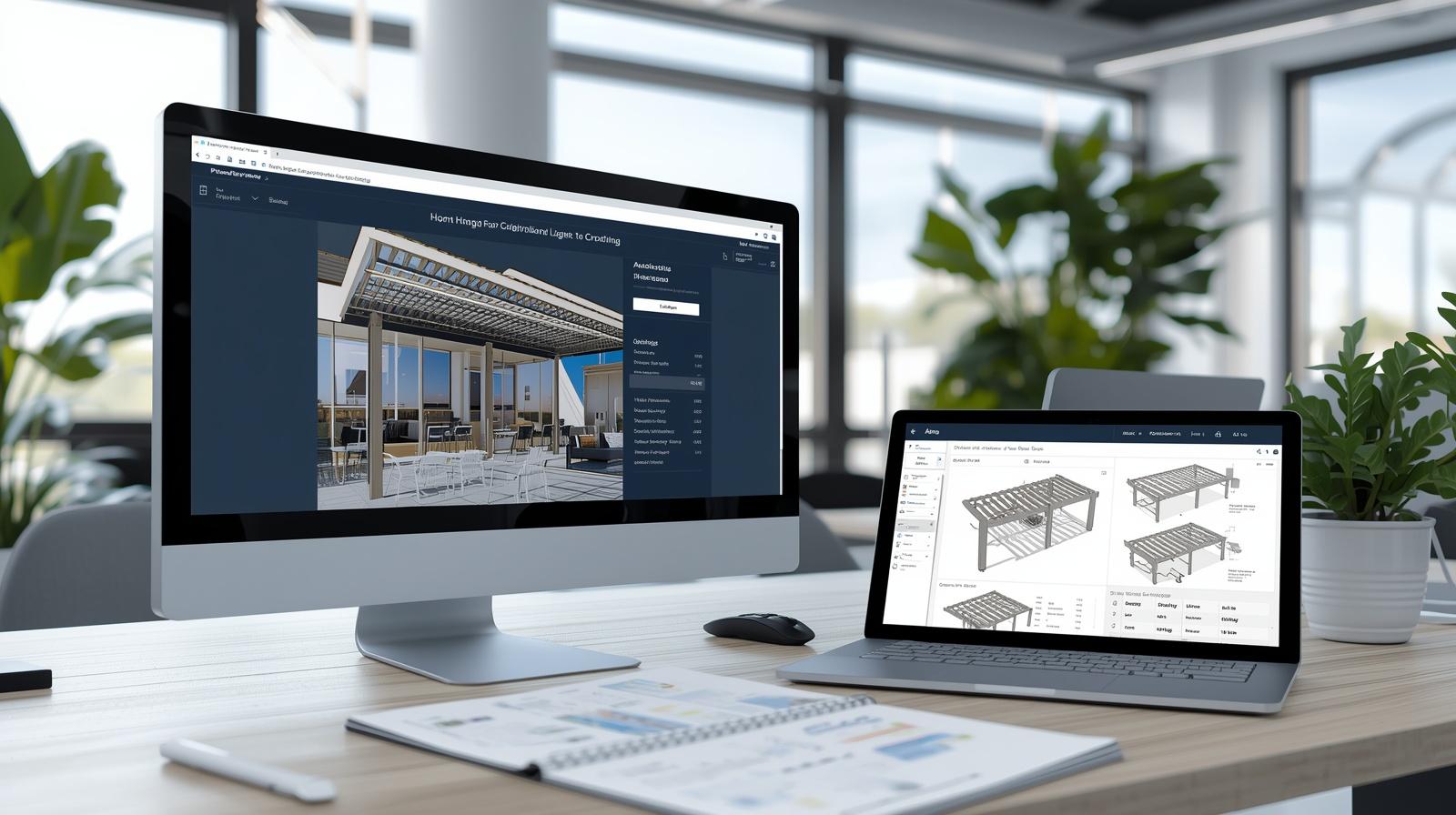
Many pergola manufacturers now provide digital tools that help dealers sell more efficiently, including online configurators, automatic pricing systems, and simple design drawings. These systems allow sales teams to create quotes quickly and accurately, reducing proposal time and improving the overall sales process.
Will Pergolas Make Your Business Harder to Run?
Pergolas can be highly profitable, but they also introduce some operational complexity. As structural systems, they require planning, coordination, and technical knowledge.
Installation requires basic construction skills, including structural assembly, anchoring the frame, leveling, and connecting electrical systems. Some dealers maintain their own installation teams, while others work with trusted external contractors. Clear quality standards and responsibilities are essential to avoid structural or drainage issues that can affect customer satisfaction.
Supply chain and lead times are another consideration. Most pergolas are manufactured to order, especially with custom sizes or colors. Typical industry lead times range between four and eight weeks, depending on production capacity and shipping distance.
Dealers should work with manufacturers that provide reliable production schedules, available spare parts, and clear warranty policies.
After-sales support for motors, louvers, or accessories also plays a key role in long-term success.
Pergola sales usually involve a consultative process, as customers often need help choosing the right size, configuration, and optional features. Manufacturers that provide training, showroom support, and marketing materials make the sales process much smoother.
How Pergolas Can Upgrade Your Brand
In addition to strong profits, pergolas can strengthen a company’s brand and market positioning.
Aluminum pergolas, especially motorized louvered systems, are widely seen as premium outdoor structures. Offering these products can position a company as a specialist in high-end outdoor living solutions, helping attract higher-value customers and larger projects.
Pergola projects also unlock powerful cross-selling opportunities. Customers who invest in a pergola are often more open to purchasing outdoor flooring, lighting, heating systems, sliding glass panels, or furniture. These additional items increase total project value and expand revenue per customer.
Pergolas can also help balance seasonality and workforce utilization. Most installations occur in spring, early summer, and fall, allowing companies with installation crews to fill gaps between larger projects and maintain steadier revenue throughout the year.
Risks and When Pergolas May Not Be Worth It?
Before adding pergolas to your product line, take a moment to consider a few key questions.
Is outdoor living demand growing in your area? Are customers willing to invest in outdoor upgrades? Do you have installation capability or reliable contractors? Can you effectively display pergolas in your showroom? Does the manufacturer provide training and technical support?
If most answers are positive, pergolas may represent a strong, profitable opportunity for your business.
Conclusion
For homeowners, asking whether pergolas are worth it focuses on lifestyle and comfort.
For dealers and brands, the question is much more business-focused.
Pergolas can provide strong margins, high-value projects, and meaningful cross-selling opportunities. For companies already involved in outdoor construction, landscaping, or architectural products, pergolas can become a valuable addition to the product line.
However, businesses without installation experience or those operating in highly price-sensitive markets should approach the category more carefully.
If you want to explore pergolas from the homeowner perspective, you can also read our related guide: Are louvered pergolas worth it.

How to Maintain a Pergola for Longevity?
blogHow Long Do Aluminum Pergolas Last? A Practical Lifespan Guide for You
blogWhat are the Benefits of an Aluminum Pergola?
blog