
Aluminum vs. Wood Pergolas: Which Material Is Best for Your Outdoor Project?
April 1, 2026
Choosing between a wooden or aluminum pergola involves budget, construction time, and outdoor style; both have their advantages, and the core factor depends on your climate, budget, lifestyle, and design preferences.
This guide will analyze the key differences between the two to help you choose the right material. As a professional manufacturer, we understand that the right pergola can transform an outdoor space, and the choice between wooden and aluminum should be based on your individual needs.
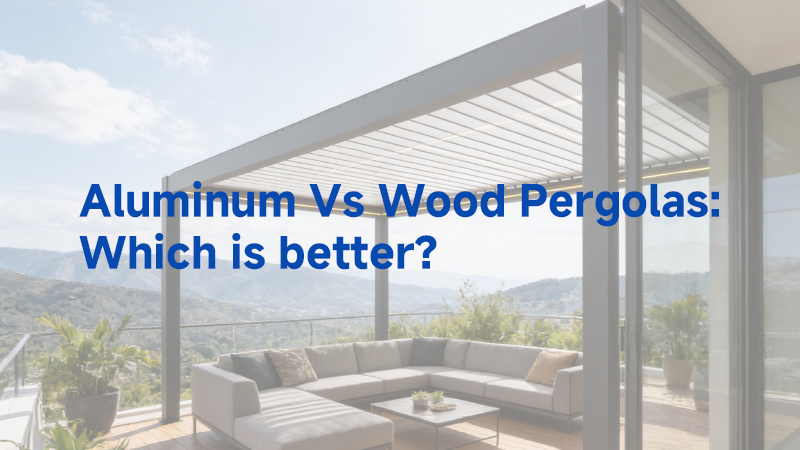
What Is an Aluminum Pergola?
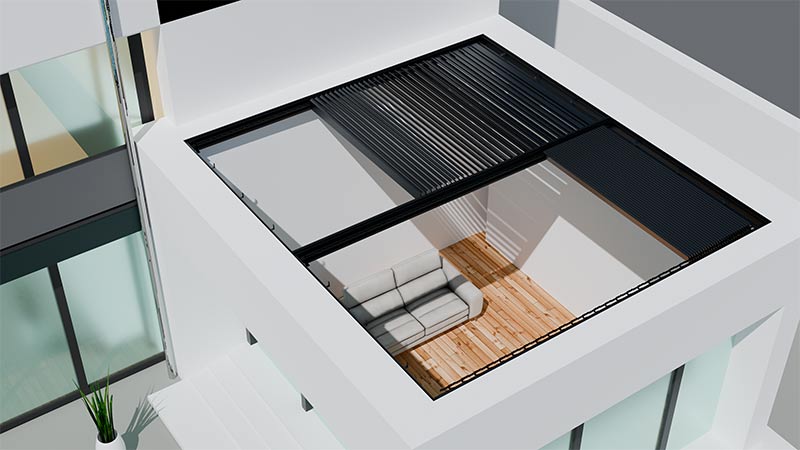
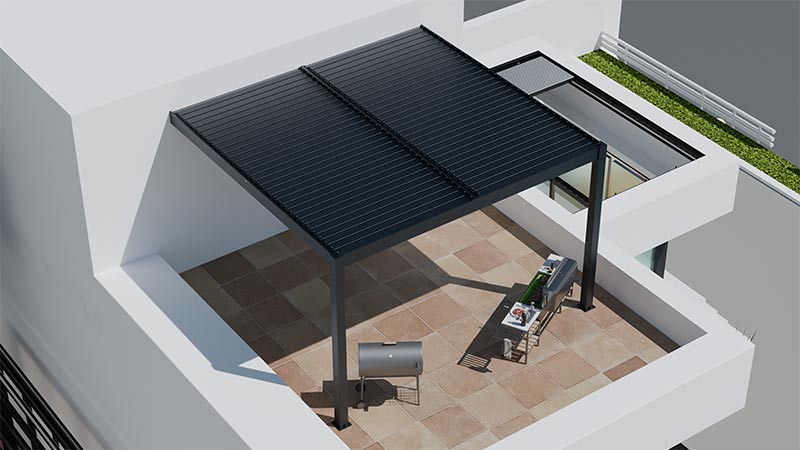
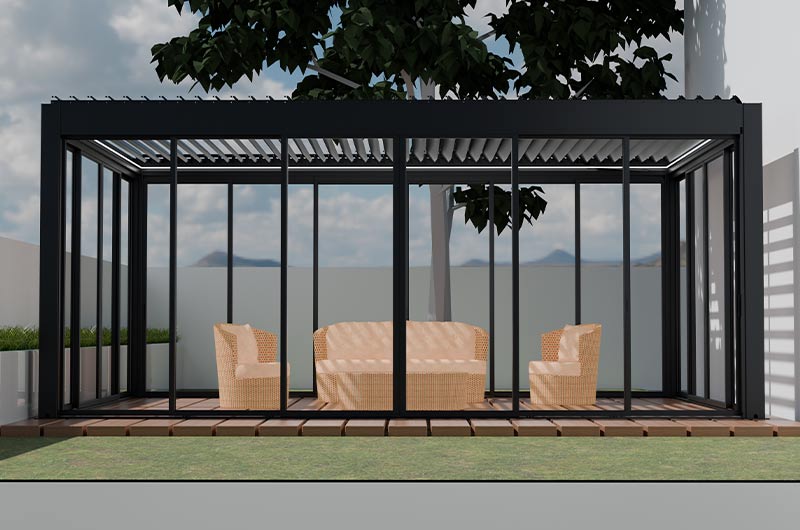
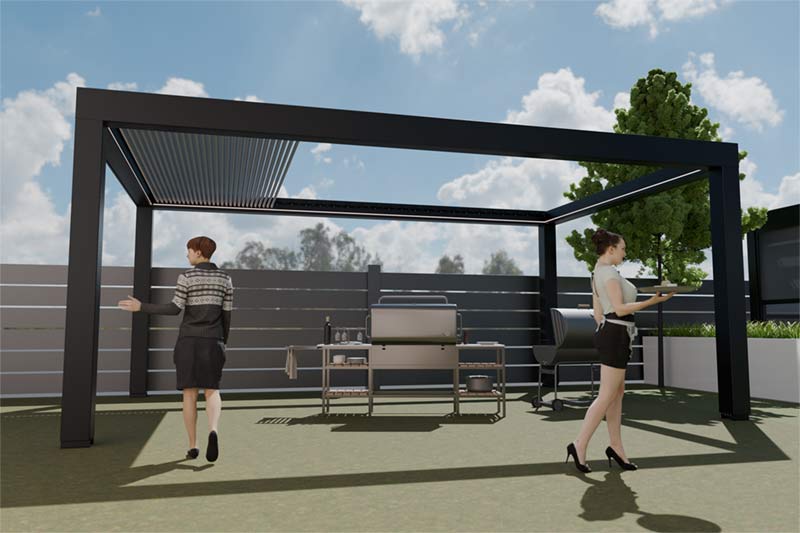
Aluminum pergolas are a modern, durable outdoor structure and a classic choice for modern, minimalist, and coastal architectural designs. They are typically modular, simplifying installation, and offer flexibility in size and configuration.
Key features of aluminum pergolas:
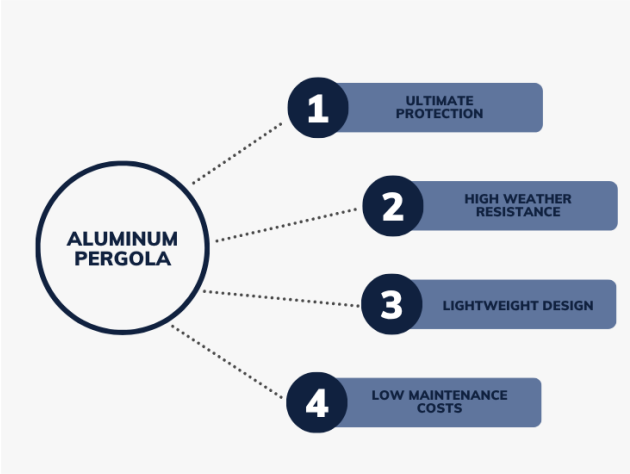
- Ultimate Protection: Naturally forms a protective oxide layer, making them rust-proof, corrosion-resistant, and pest-free.
- High Weather Resistance: Withstands winds up to 85 mph and snow loads of 50 lbs/sq ft, ensuring reliable year-round use.
- Lightweight Design: Approximately 60% lighter than wood, simplifying transportation and foundation requirements.
- Low Maintenance Costs: Requires minimal maintenance, typically only requiring a water rinse once a year.
What is a wood pergola?
Wood pergolas have classic charm and natural warmth, typically crafted from solid woods such as cedar, mahogany, or preservative-treated pine. While wood pergolas have a timeless appeal, they require a higher standard of maintenance to preserve their integrity and beauty.
Therefore, the choice of wood is crucial: cedar and mahogany are naturally durable and rot-resistant, while properly treated preservative-treated wood is a more economical option. However, according to the U.S. Forest Service Wood Handbook: Wood as an Engineering Material, preservative-treated wood is more durable, but it is not completely rot-proof.
Key features of wood pergolas:
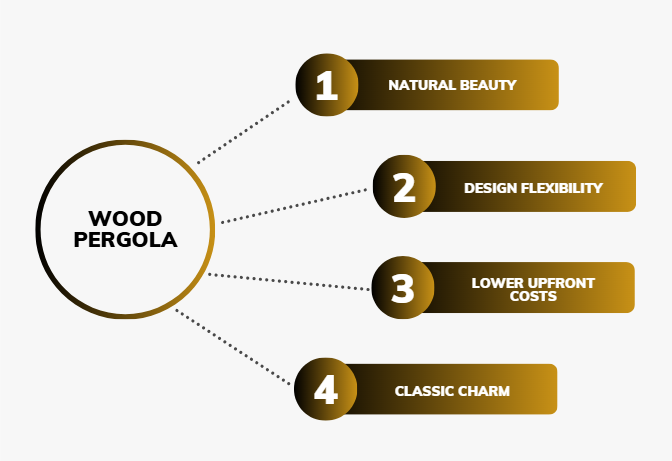
- Natural beauty: Rich, warm wood grain patterns create a comfortable and inviting atmosphere.
- Design flexibility: Easy to cut, shape, and modify for a highly personalized look.
- Lower upfront costs: Typically, lower upfront costs compared to high-end aluminum pergolas.
- Classic charm: Perfectly complements traditional landscapes, country-style homes, and natural gardens.
The Main Differences: Aluminum vs. Wood Pergolas
When creating outdoor recreational spaces, many people will feel hesitant between wood pergolas and aluminum pergolas. Classic style vs modern design, long-term value vs short-term investment—how should you choose? To help you make a more informed choice, we’ve provided a clear comparison:
Durability & Lifespan
Aluminum pergolas are durable. If installed properly, they can easily last 20 to 30 years or even longer, and are completely unaffected by rot, termites, or fungi.
Wooden pergolas also have a considerable lifespan, but require ongoing maintenance. In humid, coastal, or rainy climates, wood is prone to rot, warping, and insect infestation. Prolonged exposure to various natural environments will gradually damage the wood, even leading to cracks, discoloration, and a decrease in structural strength.
Maintenance Requirements
Cost Comparison
| Aspect | Aluminum Pergola | Wood Pergola |
|---|---|---|
| Initial Cost | Higher (typically $2,000–$8,000) | Lower (typically $1,000–$4,000) |
| Annual Maintenance | $0–$10 per year (occasional cleaning only) | $300–$800 per year (staining, sealing, or painting required) |
| 10-Year Total Cost | Higher upfront cost + minimal maintenance expenses | Lower upfront cost + higher long-term maintenance expenses |
While aluminum pergolas may have a higher upfront cost, they require virtually no maintenance, making them a far more economical choice in the long run.
Wood pergolas, by contrast, involve lower initial investment, but their ongoing maintenance expenses quickly offset any upfront savings.
Aesthetics & Design Options
Installation & Weight
Wood pergolas are heavy and solid, which often requires professional installation and more robust footings.
Aluminum pergolas are lightweight and modular, making them easier to transport, handle, and install. Many are designed as DIY-friendly kits.
Climate & Environmental Suitability
Aluminum pergolas are suitable for almost all climates. They function perfectly in coastal areas, high-humidity regions, extremely cold areas, and hot, sunny environments. They are unaffected by ultraviolet radiation, which can cause wood to fade and crack prematurely.
Wood pergolas are suited for dry inland climates. In areas with high humidity, heavy rainfall, or saline coastal air, wood pergolas are more prone to rot, mold, and insect infestation.
Quick Comparison Table
| Feature | Aluminum Pergola | Wood Pergola |
| Durability | 20–30+ years; no warping/rot | 15–20 years; prone to rot/warp |
| Maintenance | None; occasional rinse | Annual staining/sealing |
| Initial Cost | Higher | Lower |
| Long-Term Cost | Low | High |
| Installation | Easy, lightweight, DIY-friendly | Heavy, requires professionals |
| Aesthetics | Modern, sleek, versatile colors | Natural, warm, traditional |
| Climate | All climates | Best for dry, inland climates |
FAQ
Are wood pergolas cheaper than aluminum ones?
Can I install an aluminum pergola myself?
Do aluminum pergolas look cheap?
What is the best wood for a pergola?
Conclusion
In the debate between aluminum and wood pergolas, there is no universal “better”—only what is “better for you.”
An aluminum pergola is the ultimate choice for durability, low maintenance, and year-round performance, especially in challenging climates. It’s an investment that adds value and beauty to your home with minimal effort.
A wood pergola, on the other hand, offers unmatched natural charm and a lower upfront cost, making it ideal for those who appreciate traditional aesthetics and don’t mind regular upkeep, especially in drier climates.
By carefully considering your climate, budget, maintenance preferences, and design vision, you can select the material that will serve as the stunning centerpiece of your outdoor oasis for years to come.
Ready to explore your options? Browse our selection of premium aluminum pergola or contact our design experts to discuss a custom wood pergola design tailored to your needs.

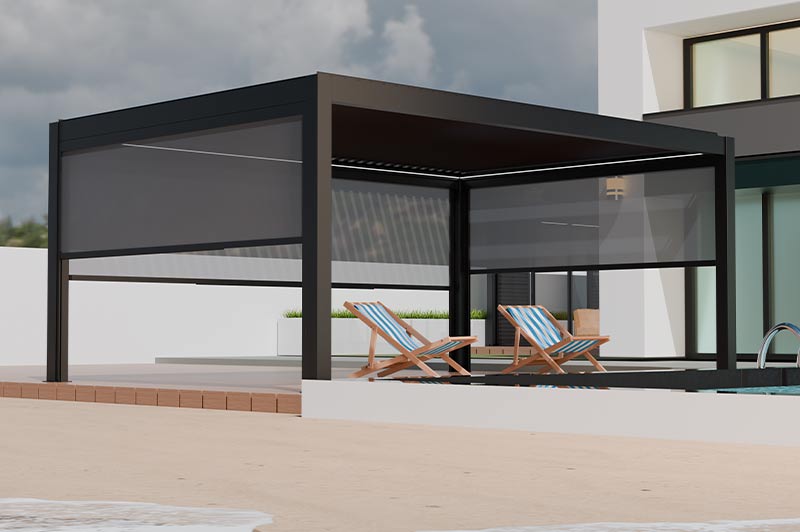
How Much Does a Louvered Pergola Cost?
blogAluminum vs. Wood Pergolas: Which is better?
blogPergola Renovation Cost Guide For dealers: Repair, Upgrade, or Replace?
blog